Why Cue Weight Actually Matters More Than You Think
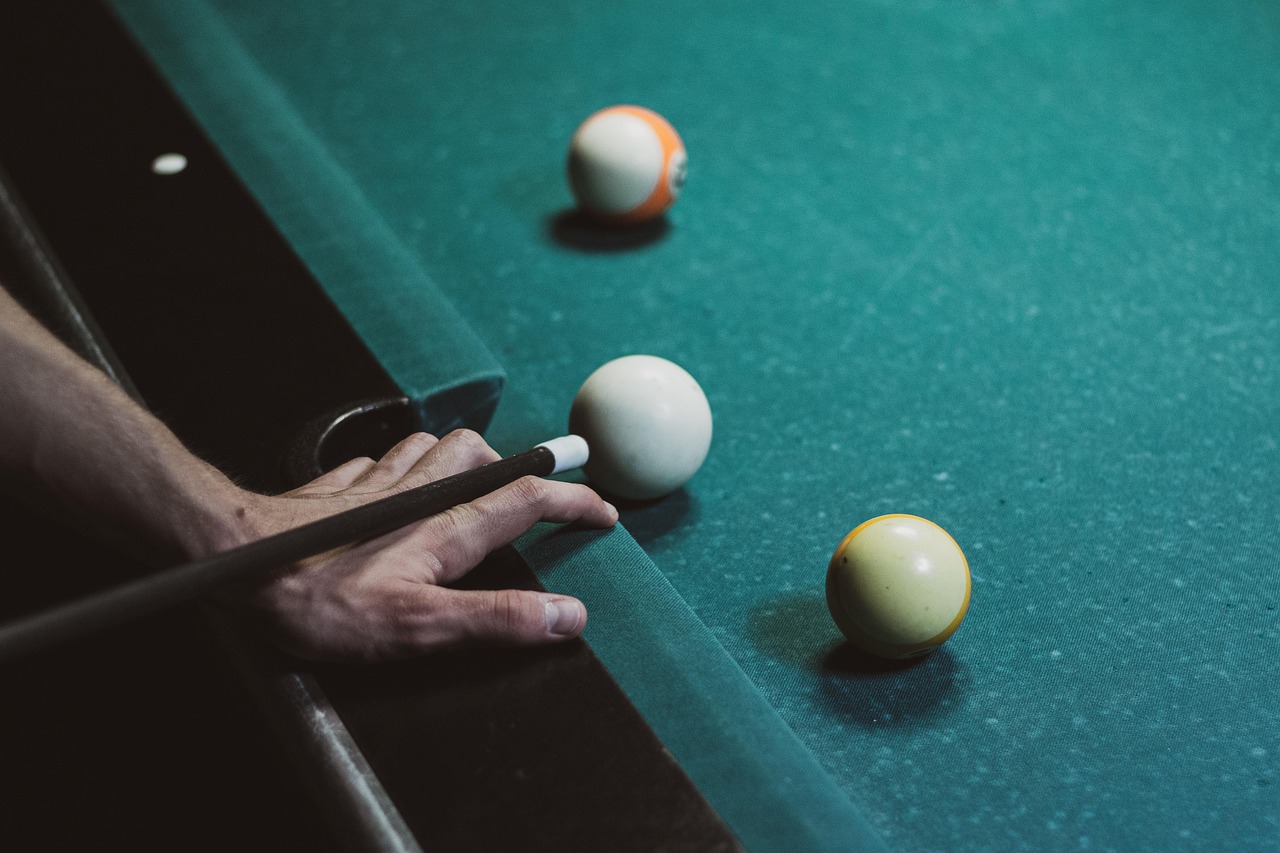
If you’re buying your first cue, it’s easy to treat weight like a minor detail â grab whatever feels okay and move on. That’s a mistake. Cue weight directly affects tip speed, follow-through, and the feedback you get on every shot.
Think about it: a cue that’s off by even an ounce can mess with your muscle memory. You start overcompensating, and your consistency slips. A heavier cue carries more momentum through the ball, which helps on long shots but makes delicate positional play trickier. A lighter cue lets you whip the tip around easier, but you lose some natural power.
There’s also the feel factor. Some cues just feel “dead” in your hand, and weight plays a big role in that. A well-balanced 19 oz cue can feel completely different from a poorly balanced 19 oz cue. But weight is the starting point â and getting it right makes everything else easier.
Common advice like “heavier is better for breaking” is too simple. You’ll see why as we go deeper.

The Standard Ranges: What 18 oz, 19 oz, 20 oz, and 21 oz Actually Feel Like
Most pool cues fall between 18 and 21 ounces. Here’s what each range typically feels like at the table:
- 18 to 18.5 ounces (Light): Fast action, quick tip speed, minimal feedback. You can generate snap on the cue ball without much effort, but you’ll need a clean stroke to avoid losing control. Best for players with a snappy, wristy stroke or those who prioritize spin over power.
- 19 to 19.5 ounces (Balanced): The sweet spot for most players. You get enough mass for solid power without losing maneuverability. This is what you’ll find in most pool halls, and for good reason â it works for a wide range of styles.
- 20 to 20.5 ounces (Heavy): More power, a stiffer feel, and better for driving through tough shots. You’ll notice less tip speed, but more momentum on contact. Good for strong players or those who play on slow cloth.
- 21 ounces and up (Extra Heavy): This is break cue territory for most people. The added mass helps explode the rack, but it’s exhausting for a full playing session. Only use this for playing if you have a long, pendulum stroke and plenty of arm strength.
Lots of serious players keep a 20+ oz break cue and a lighter 18.5-19.5 oz playing cue. That’s a smart setup if your budget allows for two cues. If you’re looking to explore options in these ranges, consider browsing 19-ounce playing cues as a starting point.
How Your Playing Style Influences Your Ideal Weight
Your natural approach at the table should drive your weight choice. Here’s a practical way to think about it:
Finesse players who rely on spin, touch, and precise position should lean toward 18.5 to 19 ounces. Lighter cues let you generate English without muscling the ball. Avoid anything over 20 oz â you’ll fight the mass on delicate shots.
Power players who like to drive the ball and move the cue ball around with force should go for 19.5 to 20 ounces. You get enough heft to make power shots feel natural without losing the ability to finesse when needed.
Break specialists often go 20 ounces or higher. But don’t assume that’s automatic â some players break faster with a lighter cue and rely on speed instead of mass. Test both before committing.
Here’s a concrete example: I once watched a strong finesse player switch from a 19.5 oz cue to an 18.5 oz cue. He gained immediate control on his draw shots and started running racks he used to leave open. That half-ounce of mass made a real difference for his specific style.
The Role of Your Stroke and Bridge Hand
Your stroke mechanics matter more than your height or arm length when choosing weight.
If you use a long, pendulum stroke where your forearm hangs straight down and rocks like a metronome, you can handle a heavier cue. The extra mass follows through naturally without extra effort. A 20 oz cue feels smooth and stable.
If you use a shorter, snappier, or wristy stroke, a lighter cue usually works better. You can accelerate the tip quickly without fighting inertia. A 21 oz cue with a wristy stroke will feel sluggish, and you’ll either miss shots or tire out early in a long session.
Your bridge also plays a role â an open bridge gives you less mechanical stability, so a heavier cue can feel harder to control. A closed bridge gives you more leverage, making a heavier cue more manageable.
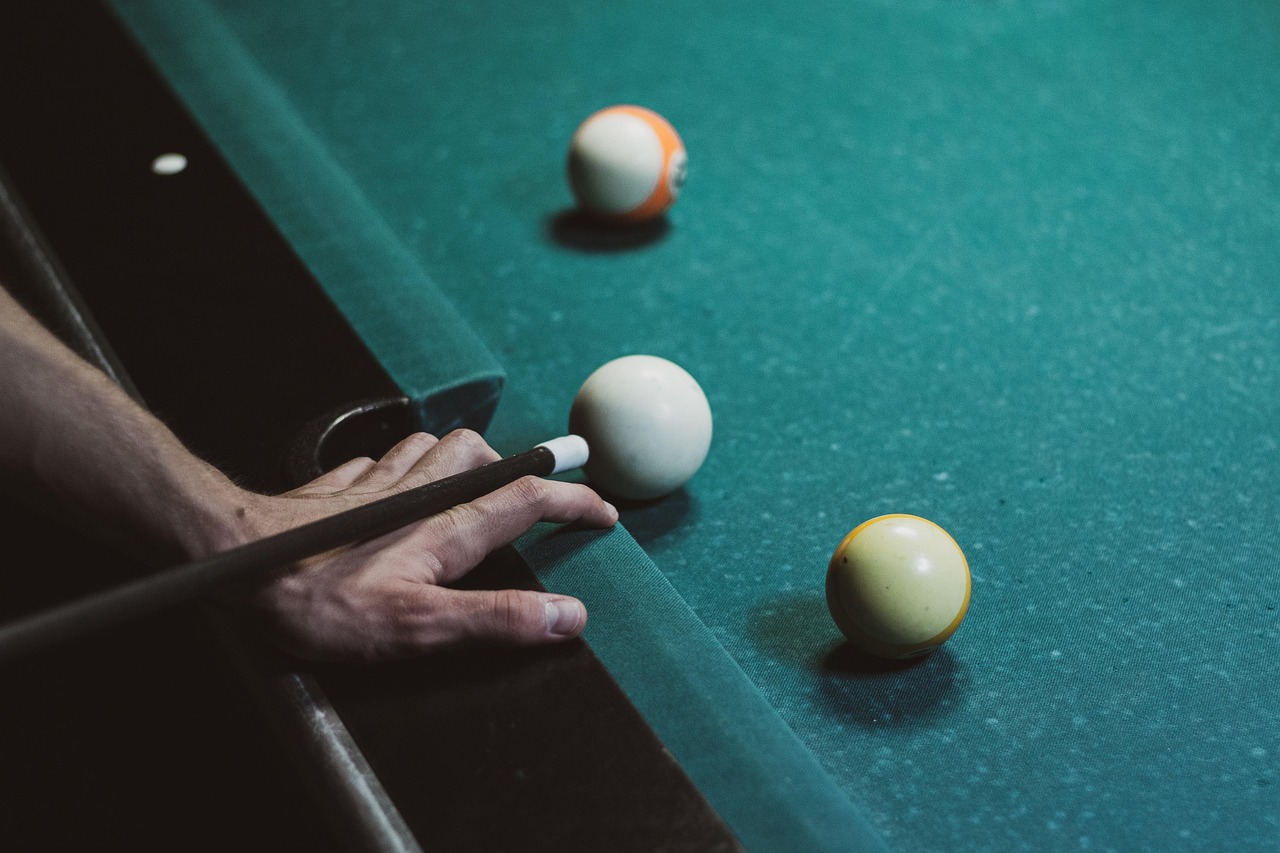
The best way to test this during a session: shoot 10 stop shots with a 19 oz cue, then switch to a 20 oz and repeat. Notice which one leaves your arm less fatigued after 30 minutes of play. If you’re working on your stroke, a stroke trainer aid can help you isolate the effect of weight on your mechanics.

Common Mistakes Players Make When Choosing Cue Weight
Even experienced players get this wrong. Here are the most common errors and what to do instead:
Mistake #1: Copying a pro’s weight. You saw Efren Reyes uses a 19 oz cue, so you buy one. The problem? Pros have decades of refined mechanics. Your stroke, your table conditions, and your game are different. Pick based on your feel, not a pro’s specs.
Instead: Use pro weights as a starting point, not a final answer. If your favorite pro uses 19.5 oz, try that range first, then adjust up or down based on your own results.
Mistake #2: Choosing weight based on height or muscle. Big guys don’t automatically need heavy cues, and small players don’t need light ones. Your stroke mechanics and playing style matter far more.
Instead: Ignore your body type entirely and focus on how the cue feels in your specific stroke.
Mistake #3: Ignoring shaft and tip feel. A heavy butt with a light shaft can feel unbalanced even if the total weight is in your range. The combined feel of the whole cue matters more than the number on the scale.
Instead: Test the full cue as a unit. If it feels tip-heavy or handle-heavy, keep looking.
Mistake #4: Buying online without testing. You can’t tell how a cue feels by reading reviews. Weight is highly personal.
Instead: Visit a pro shop or a well-stocked pool hall and shoot with several options before buying.
Weight Adjustment Systems: Can You Modify Your Cue After Purchase?
Many mid-range and high-end cues include an adjustable weight bolt system. Brands like McDermott, Viking, and Meucci offer this feature. You can typically add or remove weight in 0.5 or 1 ounce increments by swapping bolts or turning an adjustment screw.
If you’re on the fence between two weights, an adjustable cue lets you experiment. Start at 18.5 oz, play for a week, then bump it to 19 oz and compare. This flexibility is genuinely useful for growing players who haven’t locked in their preferences. For those interested, searching for adjustable weight pool cues will show you the models that offer this feature.
Cheaper cues usually lack this feature. If you buy a sub-$100 stick, you’re probably stuck with whatever weight it ships with. That’s fine for a starter cue, but keep adjustment options in mind when you upgrade.
If you already own a non-adjustable cue, some pro shops can add weight in the butt or remove material â but it’s risky and expensive. You’re better off buying a new cue with the right specs.
The Relationship Between Cue Weight and Table Conditions
Table conditions change how your cue weight performs. This is something many beginners overlook.
Fast cloth: Simoni cloth or tournament-grade felt reduces friction. The cue ball slides easily, so you don’t need as much power. A lighter cue (18-19 oz) works great here â you can control speed without over-hitting.
Slow, nappy cloth: Bar tables with worn felt create more friction. You need extra force just to move the cue ball around. A heavier cue (19.5-20.5 oz) helps you drive through the extra resistance.
Table size: On 7-foot bar boxes, positional shots are tighter, so quick tip speed from a lighter cue helps. On 9-foot tournament tables, longer shots benefit from a heavier cue’s momentum.
Humidity: Damp conditions slow the cloth further. If your local hall is humid, you might prefer a touch more weight than you’d use in a climate-controlled room.
The takeaway: your ideal cue weight at one pool hall might feel wrong at another. If you play at multiple places, pick a middle ground weight that works acceptably across your usual environments.
Does the Shaft Material Change the Feel of the Weight?
Yes, and this is worth understanding if you’re spending serious money on a cue.
Traditional maple shafts are dense and feel solid. A 19 oz cue with a maple shaft has a certain heft and feedback â the wood transmits vibration in a way that feels familiar to most players.
Carbon fiber shafts (like those from Cuetec or Predator) are lighter for their stiffness. A 19 oz cue with a carbon fiber shaft can feel noticeably different from a 19 oz maple cue because the weight distribution shifts toward the butt. The overall number is the same, but the balance point changes.
Composite shafts also affect feel. Some composite shafts dampen vibration, making the cue feel “deader” or more muted. That might be good or bad depending on your preference.
If you’re trying a carbon fiber cue for the first time, don’t assume you’ll like the same weight as your maple cue. Test several options in the same brand before settling.
How to Test the Right Cue Weight in a Shop or Pool Hall
Here’s a step-by-step process that works whether you’re in a pro showroom or a pool hall with loaner cues:
- Start at 19 oz. This is the most common weight, so it gives you a baseline. Take 10 simple straight-in shots from mid-range. Focus on how the cue feels during your backswing and follow-through.
- Judge feedback. After each shot, ask yourself: Did the cue feel like it was doing the work, or did I have to force it? Did the tip feel responsive or sluggish?
- Switch to 18.5 oz. Take 10 more straight-in shots. Notice the difference in tip speed and how quickly you can accelerate through the cue ball.
- Try 20 oz. Repeat the same shots. Pay attention to your arm fatigue and whether the extra mass helps or hurts your accuracy on stop shots.
- Test a draw shot and a stop shot with each weight. These are more revealing than straight-in shots. A weight that lets you draw the ball smoothly and stop it predictably is probably close to your ideal.
- Trust your arm. After 30 minutes of testing, the right weight will feel natural. You won’t be thinking about the cue â just the shot.
If you can’t visit a shop, borrow different cues from friends or from the rack at your local pool hall. Playing an hour with a 19 oz cue, then an hour with a 20 oz, will tell you more than any online guide can.

Cue Weight and the Break Shot: A Special Case
The break is different from regular play. You want maximum power and consistency on the break, which often favors a heavier cue.
Most break cues are 20 to 21 ounces. The extra mass helps transfer more energy to the cue ball and split the rack with authority. But not everyone breaks better with a heavy stick.
Some players generate more speed with a lighter break cue (18-19 oz) by whipping through the cue ball faster. Speed-based breakers often get better results with a lighter cue because tip speed at contact matters more than raw weight.
Best for power breakers: 20 oz+ break cue with a stiff tip. This setup crushes the rack if you can handle the weight through your stroke.
Best for speed breakers: 18-19 oz break cue. You sacrifice some mass for acceleration, but if your mechanics are clean, you’ll still get excellent results.
Avoid this if: You only play casually and don’t have a separate break cue. A single playing cue in the 19-19.5 oz range works fine for breaking and playing both.
If you’re serious about your game, a dedicated break cue is worth owning. You can get a decent one for $100-$150, and it saves wear on your playing cue’s tip as a bonus. Looking for a 20-ounce break cue can help you find models specifically designed for power.
Recommended Cue Weights for Different Games (8-Ball, 9-Ball, Straight Pool)
Different games reward different strengths. Here’s a quick heuristic that many experienced players follow:
- 8-ball: Favor control and shape. 19 to 19.5 ounces works well. You need enough weight for power shots but not so much that finesse shots suffer.
- 9-ball: Position play matters, and you often need to move the cue ball multiple rails. 19.5 to 20 ounces gives you the power to drive through racks while keeping enough control for shape.
- Straight pool (14.1 continuous): Finesse and endurance are key. 18.5 to 19 ounces lets you play for hours without arm fatigue and execute delicate positional shots consistently.
These aren’t rules â plenty of top players break the mold. But they’re useful starting points if your game favors one format over others.
Your Ideal Cue Weight: A Quick Decision Guide at Your Local Pro Shop
Here’s a summary checklist to bring with you when you’re testing cues:
- Start at 19 oz as your baseline.
- Test 18.5 oz if you prefer finesse and spin.
- Test 20 oz if you prefer power and drive.
- Test break cues separately from playing cues.
- Make sure the cue feels balanced, not tip-heavy or butt-heavy.
- Shoot stop shots, draw shots, and follow shots with each weight.
If you’re still unsure after testing, lean toward 19 to 19.5 ounces. That range works for the widest variety of players and conditions. And if you can find an adjustable weight cue in your budget, it’s a safe bet â you can tweak it later as your game evolves.
One last piece of advice: don’t rush. Your cue weight is a long-term decision. A few extra hours of testing at the shop now will save you weeks of frustration later.