Are You Tired of the Bar Box Lottery?
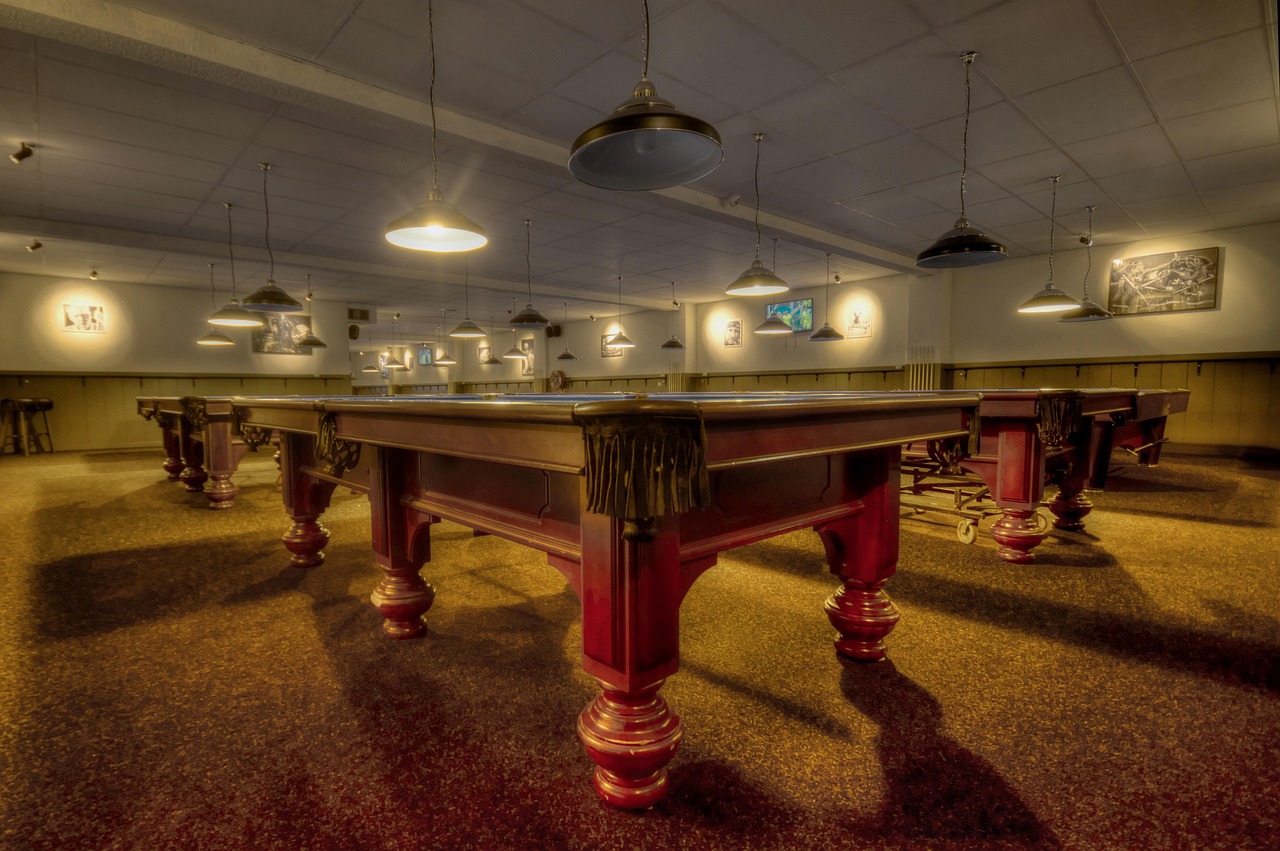
If you’re searching for the best pool halls for tournaments, you’ve probably moved past the local dive bar scene. You want real competition, not just a coin flip on a Friday night. You want tables that play true and a schedule that actually sticks. This guide is about sorting the real tournament halls from the places that just toss up a sign when they feel like it. We’ll cover what to look for, what to avoid, and how to find a room that fits your game. Not every hall running a tournament is worth your entry fee. This should help you find the ones that are.

What Makes a Tournament Scene Worth Your Time?
A solid tournament scene comes down to a few simple things. If a place can’t hit these marks, it’s probably not the arena you’re after.
Schedule Reliability
The best halls run their tournaments on the same day and time every week. They don’t cancel because of a slow Tuesday. They don’t push the start time back an hour because the bar is busy. When a tournament is consistently on the calendar, it builds a regular player base.
Player Turnout
You need a critical mass of competitors.
- A good weekly event has 16 to 32 players.
- Anything less than 12 players, and the prize pool is thin and the competition shallow.
- Look for halls where the bracket fills up before the first match starts.
Equipment Standards
Table condition matters more than you’d think.
- Diamond tables are the gold standard for tournament play.
- The cloth should be clean and recently recovered. You shouldn’t be playing on felt with a visible track.
- The tables should be level. Bring a level if you want to be sure. A lot of halls don’t maintain their tables well. You can feel it in how the balls roll.
Format and Fairness
Double elimination is the standard for serious events. A handicap system (like APA or BCAPL ratings) is a plus if you’re not a top-tier player. It keeps matches competitive. If the hall only runs single elimination races to 1, that’s not a tournament. That’s a coin flip.
A strong tournament scene isn’t just about the prize money. It’s about consistent, challenging play that makes you a better player. If the hall can’t provide that, keep looking.
The Difference Between a Tournament Hall and a Casual Bar with a Pool Table
This is an important distinction. A bar that throws a tournament on a Thursday night is not the same as a dedicated hall that runs real events.
Red flags for a casual bar tournament:
- No established schedule. It happens when the manager feels like it.
- No tournament director. The bartender collects the money, and that’s it.
- Inconsistent prize pools. Sometimes it’s $50. Sometimes it’s a bar tab.
- Zero player rating system. They just write names on a napkin.
- Poor equipment. The tables are usually 7-foot bar boxes with torn cloth and dead rails.
Now compare that to a legitimate tournament hall.
- They have a dedicated director who runs the bracket, enforces rules, and keeps the pace moving.
- They use a standardized rule set (BCA, APA, or their own clearly posted rules).
- The tables are maintained. The cloth is clean. The pockets are consistent.
- They have a board or website where players can see upcoming events and results.
If you show up to a bar tournament, you might win a few bucks. If you show up to a real hall tournament, you’ll improve your game. Know the difference before you pay an entry fee.
How to Find Legit Tournament Halls in Your Area
Finding the right hall takes a little legwork, but the effort pays off.
Check Local League Directories
APA (American Poolplayers Association) and BCA (Billiard Congress of America) have online directories of their charter halls. These are almost always legitimate rooms that care about the game. If a hall is listed there, it’s a good sign.
Ask a Cue Repair Shop
This is a tip from experienced players. Cue repair shops know the local scene better than anyone. They deal with serious players. Walk into a repair shop, buy a tip, and ask where the real tournaments are. They’ll tell you which halls have good competition and which ones are a waste of time.
Facebook Groups and Forums
Regional pool player groups on Facebook are active. Search for your city or state and “pool players” or “billiards.” Watch the posts for a week. You’ll see which halls get mentioned repeatedly for their tournaments. Pay attention to the comments. Players are honest about bad experiences.
Call Ahead and Verify
This sounds simple, but it’s crucial. Many halls don’t update their website or social media regularly. Call the hall directly on the day of the tournament and ask:
- What time does sign-in close?
- What format?
- How many players usually show?
- What’s the entry fee?
If the person on the phone can’t answer clearly, that’s a red flag.
Word of Mouth
Nothing beats talking to a regular. If you meet a player at a hall who competes weekly, ask them which rooms they travel to for tournaments. They’ll give you the real story.

What to Look for on a Trial Visit
Before you commit to a tournament, go to the hall on a normal night. Watch a few matches. Get a feel for the place.

Table Maintenance
Check the rail rubber. Press your hand into the rail near the pocket. It should be firm, not spongy. Check the cloth. If it looks slick or fuzzy, the table is due for a recover. Also check the level. Place a ball in the center of the table and let it drift. If it rolls to one side, the table is off. Do not play a tournament on that table.
Atmosphere
You can practice during the day. Is it quiet enough to focus? Or is the music too loud and the conversation distracting? A serious hall usually has a practice area that is separated from the bar. It should feel like a place where people come to play, not just to drink.
Etiquette
Watch a match without interfering. Do the players respect the game? Do they call their own fouls? Is the pace brisk? If matches drag on, the tournament will take forever. A good tournament director keeps the action moving. If you watch a match and see arguing or sloppiness, that hall might not be the place for you.
Tournament Formats and What They Mean for You
Not all tournaments are created equal. The format changes the experience.
Double Elimination
This is the standard for serious competition. You lose once and go to the loser’s bracket. You lose twice and you are out. A double elimination tournament with 32 players can run 6 to 8 hours. Be prepared for a long night. The competition is usually high because every match matters.
Best for: Players who want a full night of competitive matches.
Single Elimination
You lose one match, you are done. This format is faster, but it is less forgiving. It works well for large fields where time is limited. It also rewards luck more than skill. A bad bracket draw and you are out early.
Best for: Short nights or when you are feeling confident.
Round Robin
Everyone plays everyone in their group. This gives you guaranteed table time. You get to play multiple matches even if you lose. Round robin tournaments are great for learning. You see a variety of playing styles.
Best for: Players who want practice and experience more than prize money.
Race-to-Scotch Doubles
Two players per team, alternating shots. This is a social format. It requires teamwork and communication. It is not as serious as singles, but it is good for building camaraderie. If you are new to a hall, this is a low-pressure way to get involved.
Best for: Beginners and social players.
Recommendation: If you are new to tournaments, start with a race-to format with a handicap system. You get consistent games and a fair chance.
Entry Fees, Prize Pools, and the Real Cost of Competing
Tournament play has a financial side that is worth understanding before you jump in.
Entry Fees
Weekly tournaments typically range from $10 to $50. Bigger events can go to $100 or more. The fee usually goes into the prize pool, but the hall may take a cut.
Prize Pools
Prize pools are calculated by adding the entry fees. Some halls add a green fee (an extra few dollars per player) that stays with the house. Some halls add side pots for higher finishes.
- A tournament with 20 players at $20 each has a $400 prize pool.
- If the hall pays out the top 3 spots, first place might get $200. Second gets $120. Third gets $80.
Do not expect to get rich. The real value is in the competition.
Red Flags
Watch out for halls that take a large house cut. If the prize pool is only 50% of the entry fees, that is a bad deal. Also be wary of halls that pay out only the top 2 spots. That means most players get nothing for their entry fee.
Hidden Costs
Tournament entry is just the start. You also pay for table time if the hall charges by the hour for practice. You buy drinks. You might tip the waitress. A typical tournament night can cost $30 to $60 all in. Factor that into your budget.
Gear to Bring for a Tournament Night
Having the right gear keeps you in the game. These are things experienced players bring every time.
Cue Case
A good cue case protects your shaft from dings and temperature changes. A two-piece case is standard. Rolled leather cases are popular because they are durable and discreet. Travelers who need to protect their cue while moving between halls may want to consider a quality pool cue case to keep their equipment safe.
Tip Tool
Tips mushroom. They get dirty. A tip tool lets you reshape the tip between matches. A tip tool is simple and effective. It has a shaper and a burnisher.
Cue Chalk
Not all chalk is the same. Kamui and Taom chalk have a better grip and last longer than standard house chalk. A cube of premium pool chalk costs around $5. It is worth it for consistent tip contact.
Cue Extension
If the hall has standard 9-foot tables and you need a longer reach, a cue extension fits on the butt of your cue. It is a small piece of gear that saves you from bridging awkwardly. Most players do not carry one, but the smart ones do.
Microfiber Towel
Your shaft gets dirty from chalk dust and hand oils. A microfiber towel lets you clean it quickly between matches. A clean shaft means fewer miscues. Keep one in your case.
Gear like this might seem like an extra expense, but it saves you frustration during a match. Do not show up unprepared.


Best Pool Halls for Tournaments: A Few Reputable Examples
These halls are known for their consistent tournament scenes. They are not the only good ones, but they are reliable examples of what to look for.
The Billiard Factory â Chicago, Illinois
Located in the suburbs of Chicago, this hall runs weekly tournaments on Diamond tables. They have a strong APA league presence and a dedicated tournament director. The competition is solid, and the atmosphere is focused on pool, not drinking. It is a good example of a hall that keeps its equipment in excellent condition.
The Rack â Seattle, Washington
The Rack is a dedicated pool hall in Seattle. They run weekly eight-ball and nine-ball tournaments. The tables are well maintained, and the staff enforces rules consistently. The regulars are serious, but they are welcoming to new players. It is a good spot to move from casual play to tournament participation.
Famous Freddies â Oklahoma City, Oklahoma
This is a chain of halls in the Oklahoma City area, but the original location is known for its tournament scene. They run handicap tournaments weekly and have a mix of 7-foot and 9-foot tables. The format is double elimination. The competition ranges from solid amateurs to shortstop level. It is a good place to test your game.
Note: These are real examples, but the best hall for you depends on your location. Use the methods covered earlier to find your local equivalent.
Common Mistakes Players Make When Joining a New Tournament Scene
You can avoid a lot of frustration by learning from the mistakes others have made.
Not Knowing the Rules
Different halls use different rule sets. BCA rules differ from APA rules. Some halls use World Standardized Rules. Some have their own local variations. Show up knowing the rule set or ask the director before the tournament starts. Arguing over a rule during a match is a bad look.
Entering the Wrong Skill Division
If the hall uses a handicap system, do not overestimate your skill. Entering a division that is too high leads to beatdowns. You will not learn anything from getting destroyed. It is better to start lower and move up as you improve.
Ignoring Etiquette
Every hall has an unwritten code.
- Do not talk during a player’s shot.
- Do not stand directly behind the table while someone is shooting.
- Call your own fouls. If you commit a foul, own it. Regulars notice this.
- Do not argue with the director. They run the tournament. Respect their calls.
Burning Bridges
Pool communities are small. If you get a reputation for arguing, complaining, or being unsportsmanlike, word spreads. You will find yourself with fewer practice partners and fewer invites. Keep your cool. Even if you lose, shake hands and move on.
When a Tournament Scene Isn’t Right for You
Not everyone needs to compete in tournaments. There are valid reasons to skip them.
Social Anxiety
If the idea of playing under a spotlight makes you uncomfortable, that is okay. Tournament pressure is real. You can still improve through practice or casual matches. Some halls offer practice leagues or ladder systems that are lower pressure.
Limited Time
Double elimination tournaments take hours. If you only have 1-2 hours free, a tournament is a commitment you cannot keep. Focus on drop-in games or quick practice sessions. That is still productive.
Frustration with High Pressure
Some players get tense and play worse under pressure. If that is you, tournaments might be more frustrating than rewarding. You can develop your game in other ways, like drilling alone or playing with a consistent partner.
A good hall offers options. If they only do tournaments, look elsewhere. A balanced room has practice tables, league nights, and casual play.
How to Transition from Casual Player to Tournament Regular
If you decide tournaments are for you, here is a realistic path.
Start Small
Do not enter the biggest weekly event first. Look for low-stakes tournaments. Some halls run a $10 entry event on a slow night. That is perfect. You get experience without high risk.
Get to Know the Tables
Practice at the hall you want to compete in. Learn the rails. Learn how the pockets play. Every table has its quirks. If you know the tables, you have an advantage over players who only show up for tournaments.
Network with Regulars
Talk to the regulars. Ask for advice. Many experienced players are happy to share tips. If you are respectful, they will help you. Some might even practice with you before a tournament.
Join a League
Many halls that run tournaments also have leagues. Joining a league builds familiarity with the hall and the players. It is a stepping stone to tournament play. You learn the format, the equipment, and the community.
Learn from Losses
You will lose. Everyone does. The question is whether you learn from it. After a loss, think about what went wrong. Was your position play weak? Did you miss a routine shot? Use the loss as feedback, not as a reason to quit.
Final Thoughts: Finding Your Arena
The best pool halls for tournaments are not always the biggest or the flashiest. They are the ones that have reliable schedules, fair formats, good equipment, and a community of players who take the game seriously. They are the halls where you can show up every week and know exactly what to expect.
Now it is your turn to scout a hall this week. Use the methods covered here. Call ahead. Walk in. Watch a match. Ask questions. You will find the right arena for your game.
And when you gear up for that first tournament night, check out Cue Club International’s equipment recommendations. A quality cue case or a good chalk might be the difference between being prepared and being frustrated. Good luck at the table.