Introduction
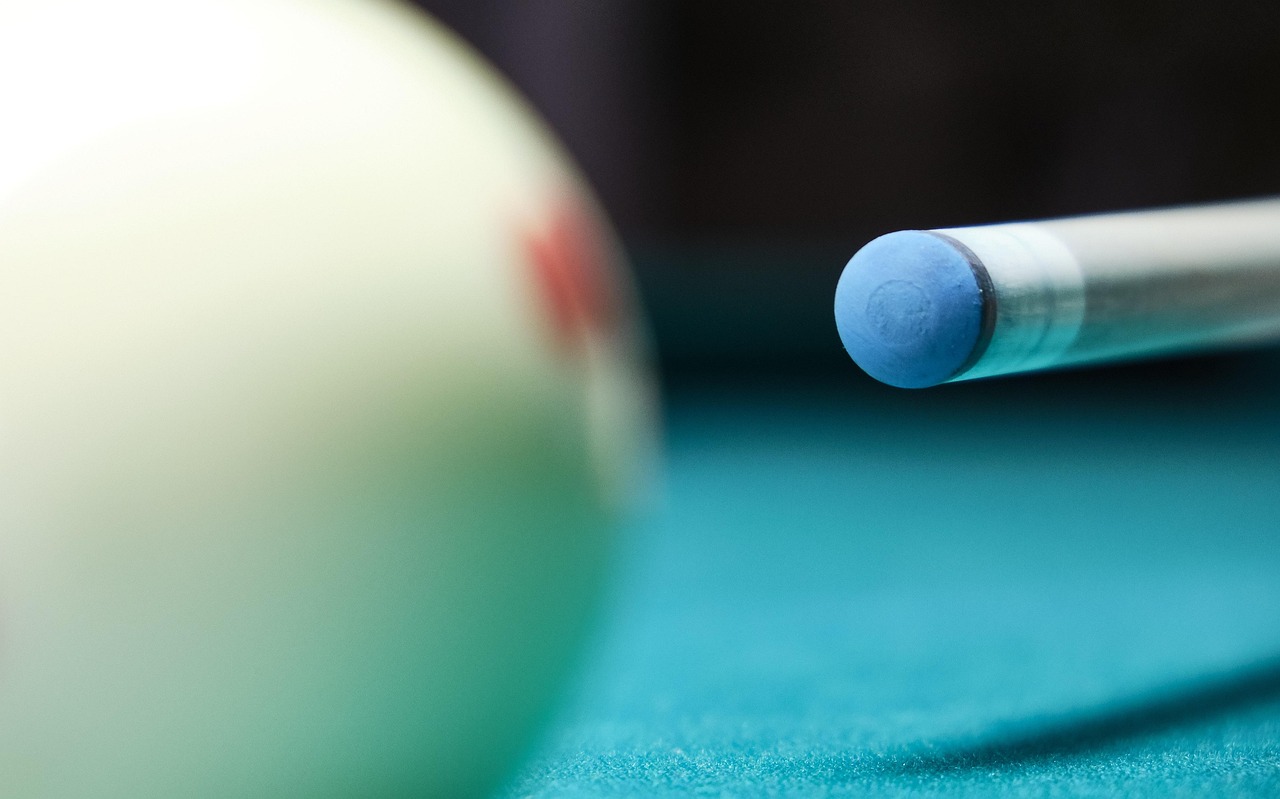
Getting good action on the cue ball is what separates a shot maker from a player who really knows the game. You can pocket balls all day, but if you can’t move the cue ball where you need it, you’re handing your opponent chances. A lot of that control comes down to your cue tip. The right tip makes a noticeable difference in how much spin you can grab and how consistently that spin takes effect. This article is for players who want more English and spin control, and want to understand what equipment actually matters. We’ll cover tip hardness, shape, chalk, and technique â the whole picture, not just one part. If you’re looking for the best cue tips for english and spin, you need to know how everything works together. The tip alone won’t fix a bad stroke, but the wrong tip can hold back a good one.

How the Cue Tip Affects English and Spin
The cue tip is the only point of contact between you and the cue ball. That makes it the most important piece of equipment for spin control. Every bit of English you put on the ball comes from the friction and grip between the tip, the chalk, and the cue ball’s surface. If that grip isn’t there, you miscue. If it’s inconsistent, your spin gets inconsistent.
Three factors determine how well a tip delivers spin: shape, hardness, and material.
Shape is about the curvature of the tip’s face. A more rounded tip â often called a dime radius â gives you a smaller contact patch. That sounds counterintuitive, but it lets you hit farther off-center without the tip slipping off the ball. A flatter tip, like a nickel radius, gives you more surface contact but less room to grab spin before the edge of the tip slides off.
Hardness affects how the tip compresses on impact. Softer tips compress more, creating a larger contact patch. That means more friction and more grip on the cue ball, which helps with spin. Harder tips compress less. They transfer energy more directly, which some players prefer for consistency, but they can struggle to hold chalk if the tip surface isn’t properly scuffed.
Material matters too. Most cue tips are leather, but there are layered leather tips, one-piece leather tips, and phenolic resin tips. Layered tips tend to hold their shape longer and provide more consistent density. One-piece leather tips are traditional but can compress unevenly. Phenolic tips are hard, slick, and generally not suited for English â they’re more common on break cues.
The bottom line is this: if you want spin control, you need a tip that holds chalk well, has enough surface grip, and is shaped to allow off-center contact. No single tip does all of that perfectly for every player. That’s why you match the tip to your stroke and your priorities.
Tip Hardness: Soft vs. Medium vs. Hard for Spin
Tip hardness is the first decision most players make, and it has a real effect on how spin feels and behaves. Let’s break down each category.
Soft Tips â These are the most forgiving for spin. They hold chalk exceptionally well, so you can hit farther off-center with less risk of a miscue. The compression also creates more dwell time on the cue ball, giving you a little extra grab. Players who rely on heavy English often prefer soft tips. The tradeoff is durability. Soft tips mushroom faster. You’ll need to shape them regularly, and they wear out faster than harder options. They also tend to deaden feedback slightly. If you like a crisp feel through the cue, soft might feel a bit mushy. Best for: players who prioritize maximum spin over feel, and those who don’t strike the ball perfectly centered every time. If you’re trying to keep that rounded shape on a soft tip, a cue tip shaper tool is a practical addition to your kit.
Medium Tips â These are the middle ground. They offer better durability than soft tips while still holding chalk reasonably well. The feel is firmer, giving you more feedback on center hits. Spin control is good, though you’ll need slightly cleaner contact to get the same action as a soft tip. Most intermediate players do well with medium tips because they don’t force you to adjust your stroke too much. Best for: players who want a balance of spin, durability, and feedback. It’s the safest starting point if you’re unsure.
Hard Tips â Hard tips are not ideal for heavy English, but they have their place. They transfer energy efficiently, which means less deflection loss on power shots. They also hold their shape well, requiring less maintenance. The problem is that hard tips don’t grip chalk as easily. If your stroke isn’t precise and you hit off-center, you’re more likely to miscue. Hard tips reward a clean, consistent stroke. Best for: players who use low deflection shafts and prefer a firm hit, or those who play a power game and don’t rely on extreme spin.
One note on deflection: hard tips can exaggerate deflection on some shaft materials. If you’re using a traditional maple shaft and a hard tip, you’ll notice the cue ball squirt more on spin shots. Something to keep in mind.
Chalk: The Overlooked Variable in Spin Control
I’ve seen players spend hundreds on a cue and tip, then grab whatever chalk is sitting on the rail. That’s a mistake. Chalk is the friction layer between your tip and the cue ball. Without good chalk, you can’t hold spin no matter how perfect your tip is.

Cheap chalk like Masters works fine for most players. It’s affordable and consistent. But higher-end chalks like Kamui or Blue Diamond offer better cling and less glazing. What does that mean in practice? You apply it once and it stays on the tip for multiple shots. With cheap chalk, you might need to chalk before every shot to avoid a miscue. With premium chalk, you can focus more on your stroke and less on your tip.
Here’s a practical tip: scuff your tip lightly before adding chalk. A tip that’s too smooth won’t hold chalk well. Use a tip scuffer or a piece of sandpaper to rough up the surface. Then chalk evenly, covering the entire dome. Don’t overdo it â you don’t need a thick layer. Just enough to see the chalk coat the tip.
I’ve played with guys who chalk after every shot no matter what, and that’s fine. But I’ve also seen players miscue on a crucial shot because their tip was too smooth and their chalk was dry. In a league match, I watched a player line up a long draw shot with outside English. He miscued, the cue ball barely moved, and he lost the game. It came down to chalk. That’s the margin. Players who want reliable grip might consider a premium pool chalk to reduce the risk of miscues in pressure situations.
Tip Shape and Dime Radius: What Works Best for English

Tip shape is one of those things that seems minor until you actually change it. The standard recommendation is a dime radius, which is roughly a 7-8 mm curvature. That shape gives you a smaller contact patch with more clearance around the edges. When you hit off-center, the tip doesn’t slide off the ball because the curvature matches the ball’s curve. That’s why dime radius is the go-to for most serious players.
A more rounded tip â say, a dime radius but slightly more domed â gives you even more clearance. That makes it easier to apply heavy English without miscuing. The tradeoff is that a rounder tip can increase deflection, especially on full-power shots. You’ll notice the cue ball squirt more to the side before the spin takes effect.
A flatter tip, like a nickel radius, gives you a larger contact patch. That’s good for center-ball hits and straight shots. But when you try to put English on it, the tip edge meets the ball at a steeper angle. You have less room to go off-center before the tip slips. That flatter shape works if you play with minimal spin, but it’s a disadvantage for anyone trying to move the cue ball around.
My advice: if you struggle with English, try a more rounded tip. You don’t need to change to a different tip â just use a shaper to round it out a little more. You can always go back. If you want consistency on straight shots and don’t mind limited spin, stick with dime or even a nickel radius. Either way, regular shaping matters. A tip that’s been worn flat won’t spin well. Get a good tip shaper and use it every few sessions.
Stance and Bridge Hand Adjustments for Spin Shots
Equipment only takes you so far. Your stance and bridge hand directly affect how much spin you can deliver consistently.
The bridge hand is the foundation. For spin shots, a closed bridge is usually better. It locks the cue in place, reducing side-to-side movement. That stability matters when you’re hitting off-center because even a small wobble can change where the tip contacts the ball. An open bridge works, but it allows more play in the cue. Some players prefer that for feel, but I’d recommend a closed bridge for any shot where spin is critical.
Bridge hand position also matters. The closer your bridge is to the cue ball, the more control you have over tip placement. That’s good for accuracy. But a closer bridge also means you have less cue length to accelerate, which can limit the amount of spin you generate. A longer bridge gives you more cue travel, which lets you stroke through the ball and get more action. The tradeoff is reduced accuracy. For spin shots, I usually set my bridge about 8-10 inches from the cue ball. That’s long enough to generate spin, but short enough to stay accurate.
A common mistake is lifting the bridge hand on spin shots. When players try to put English, they sometimes raise their back hand or lift their bridge hand, causing the cue to elevate. An elevated cue introduces swerve â the cue ball curves because of the downward angle. That can ruin position and pocketing. Keep your cue as level as possible. A level cue means the spin is pure side spin, not a combination of spin and vertical action.
Common Mistakes When Adding English
Even good players make these mistakes. Here are the ones I see most often.
Striking too far off-center. The tip can only grab so much of the cue ball. If you hit beyond the miscue limit, you’ll slip. The miscue limit is roughly half the tip’s width from center. Anything beyond that, and you’re gambling. Don’t try to get more spin by hitting farther off-center. Instead, focus on clean contact and follow-through.
Not following through. Spin happens after the tip leaves the ball. If you jab at the cue ball or stop your stroke short, you don’t transfer enough energy for the spin to take effect. A full follow-through â extending past the contact point â ensures the spin is fully imparted.
Rushing the shot. Spin shots require precision. If you rush your setup, your tip placement will be off. Take the extra second to line up the contact point.

Using too much spin on long shots. The longer the shot, the more the cue ball will squirt and swerve. Heavy English on a long cut shot can send the cue ball miles off line. On longer shots, use lighter spin or compensate for deflection.
I once watched a player try to draw the cue ball with outside English on a long table-length shot. He hit it hard, the cue ball squirted wide, missed the object ball entirely, and scratched. Good idea in theory, but the combination of distance, spin, and speed was too much. That’s a failure point you can learn from: know when to pull back on the spin.
Tips for Practicing English and Spin Control
Practice with purpose. Here are a few drills that actually work.
The L-Drill with English: Set up the cue ball and an object ball in a straight line. Practice stop shots, draw shots, and follow shots â but add a small amount of outside or inside English. The goal is to control the cue ball path while still pocketing the ball. Start with center ball, then add a half-tip of English, then a full tip.
The Spot Shot with Side Spin: Place the cue ball on the head spot and an object ball on the foot spot. Shoot the object ball into the corner pocket with outside English. The cue ball should come off the rail at a predictable angle. Practice adjusting your speed to change the angle.
The Circle Drill: Place the cue ball in the center of the table. Try to hit each of the six pockets in sequence using only side spin and follow. The goal is to make the cue ball curve or change direction based on spin alone. This builds feel for how spin interacts with table speed and rail angle.
Use a training cue ball if you can. The ones with markings show you exactly where you’re contacting the ball. That visual feedback speeds up learning. And be patient. Spin control isn’t something you master in a week. It’s a skill that builds over months of focused practice. Don’t get discouraged if you miscue a lot in the beginning.
Recommended Cue Tips for English and Spin Control

After trying a fair number of tips over the years, here are the ones that stand out for spin control. These aren’t the only good options, but they’re reliable and widely available.
Kamui Black Soft â This is the gold standard for players who want maximum spin. The layered construction holds its shape better than traditional soft tips, and the chalk retention is excellent. You can apply heavy English with confidence. The downside is price â these aren’t cheap. They also wear faster than harder tips. But if spin is your priority, this is hard to beat. Check Kamui Black Soft on Amazon
Triangle Hard â Triangle makes a solid hard tip that’s affordable and durable. It’s not the best for heavy English, but if you want a tip that holds its shape and gives consistent feedback, this is a good choice. Works well with low deflection shafts. Find Triangle Hard tips on Amazon
Moori Medium â Moori’s medium tip is a balanced all-rounder. Good spin, decent durability, and a firm feel. It’s a popular choice among intermediate players because it doesn’t force you to adapt your stroke. Holds chalk well without excessive mushrooming. Browse Moori Medium tips on Amazon
Also consider picking up a tip tool. A good shaper and scuffer combo keeps your tip in the right shape. Something like the Willard’s Tip Tool or a simple cue tip shaper will do the job. It’s a small investment that extends the life of your tip and improves performance. Shop tip tools on Amazon
When to Avoid Heavy English
More spin isn’t always better. There are situations where heavy English works against you.
Long draw shots: Drawing the cue ball a long distance with heavy English increases the chance of deflection and makes the cue ball harder to control. Use center ball or light draw for long distances.
Cut shots with thin contact: When you’re just grazing the object ball, side spin can cause the cue ball to veer off line before contact. Keep the spin minimal on those shots.
When position play requires simple speed control: Sometimes all you need is to stop the cue ball or leave it a specific distance. Heavy English adds variables. If you don’t need it, don’t use it. Keep it simple.
Heavy English is a tool for when you need to navigate around obstacles or shape the cue ball tightly. Otherwise, it’s often more trouble than it’s worth. Save it for the shots that require it.
Final Thoughts: Matching Tip to Your Game
There’s no single best cue tip for everyone. The best cue tips for english are the ones that match your stroke, your preference for feel, and your willingness to maintain the tip. Start with a medium or soft tip if you’re unsure. They’re more forgiving and let you experiment with spin without fighting the equipment. As you get more experience, you’ll know whether you want more feedback from a harder tip or more grip from a softer one.
Don’t ignore chalk and tip shape. They’re just as important as the tip itself. And don’t forget that technique is the foundation. No tip fixes a bad stroke. But the right tip can make a good stroke even better.
If you’re ready to try a new tip, check out the recommendations above. A good starting point is Kamui Black Soft for spin or Moori Medium for balance. Pair it with a quality shaper, and you’ll be set.