Introduction

If you play pool, travel with a cue, or just appreciate places where real history was made on green felt, you already know the problem. Not every old building with a pool table is worth your time. A lot of places claim to be historic. But the real ones â the ones worth visiting â have original tables. The stories are there in the worn rail cloth and the names scratched into the wood. You can’t fake that atmosphere.
This guide covers the most historic pool halls in America that actually deliver. I’ve played on their tables and dealt with their quirks. Some are still in great playing shape. Others are more about the vibe. I’ll help you figure out which is which so you can plan accordingly.

What Makes a Pool Hall Historic?
Being old isn’t enough. A lot of bars have tables from the 1970s. That’s not historic. For a pool hall to be genuinely historic, it should usually meet at least two of these:
- Age: Continuous operation for at least 70 years. Many classics opened in the early 1900s.
- Original fixtures: Original Brunswick tables, vintage cue racks, old-school scoring beads. Renovations that swap out everything lose the history.
- Famous players: Willie Mosconi, Minnesota Fats, Luther Lassiter â if they played there, the hall has a documented legacy.
- Architectural or cultural significance: Beautiful woodwork, tin ceilings, or a history as a gathering spot for a specific community.
I’ve walked into places that claimed to be historic but were just old bars with new tables. The real deal has tangible history. If the table has a brass plate from 1910, you’re in the right place.
How to Plan a Pool Hall Road Trip
A historic pool hall road trip sounds great in theory. Logistics matter though. You don’t want to drive three hours to find out they’re closed on Mondays. Here’s how to approach it:
- Group by region: The best areas for historic halls are the Northeast (New York, Philadelphia), the Midwest (Chicago, St. Louis), and the South (New Orleans, Memphis). Pick one region and hit two or three halls over a long weekend.
- Check hours and booking policies: Many are still family-run or operate as private clubs. Call ahead. Some require a membership or a reservation on weekends. Don’t trust Google Maps hours.
- Parking and neighborhood considerations: Some halls are in neighborhoods that have changed since they opened. Look up parking and check recent reviews. I’ve circled for 20 minutes in Chicago looking for a spot that wasn’t in a tow zone.
- Plan for downtime: Some halls are more about atmosphere than fast play. If you’re used to modern pool rooms with hourly rates and quick service, you might be surprised by a slower pace. That’s part of the charm, but plan for it.
When you’re traveling between halls, a compact cue case is handy. Travelers who need to keep their cue safe on the road may appreciate a portable pool cue case. It fits in a trunk or overhead compartment. I also bring my own chalk and a microfiber cloth â house chalk can be inconsistent and the cloth on some tables has seen better days.
Chicago: Chris’s Billiards â The Oldest Continually Operating Pool Hall in America
If you visit only one historic pool hall, make it Chris’s in Chicago. It opened in 1912 and has been operating continuously ever since. Over a century of straight play. The tables are original Brunswick models, many with their original nameplates. The rail cloth is worn in the right spots from decades of use. The balls have a satisfying thwack that newer tables don’t produce.
Chris’s has a working-class neighborhood feel. No pretension. You’ll find local regulars who’ve been coming for decades, young players learning the game, and the occasional out-of-town enthusiast. It’s not a tourist trap. It’s a real pool hall where people come to actually play.
What you need to know before you go:
- Per-table per-hour rate. Usually under $10 an hour.
- Bring cash. They don’t take credit cards. There’s an ATM inside, but bringing cash is easier.
- Best times are weekday afternoons or late mornings. Evenings and weekends can get busy with leagues.
- Table conditions vary. Some are tournament-worthy. Others are slower. If you’re particular, ask which tables play best.
The atmosphere alone is worth it. High ceilings, old wood paneling, and that smell of chalk and anticipation. It’s the real deal.

New Orleans: The Rack & Roll â A Living Museum of Pool
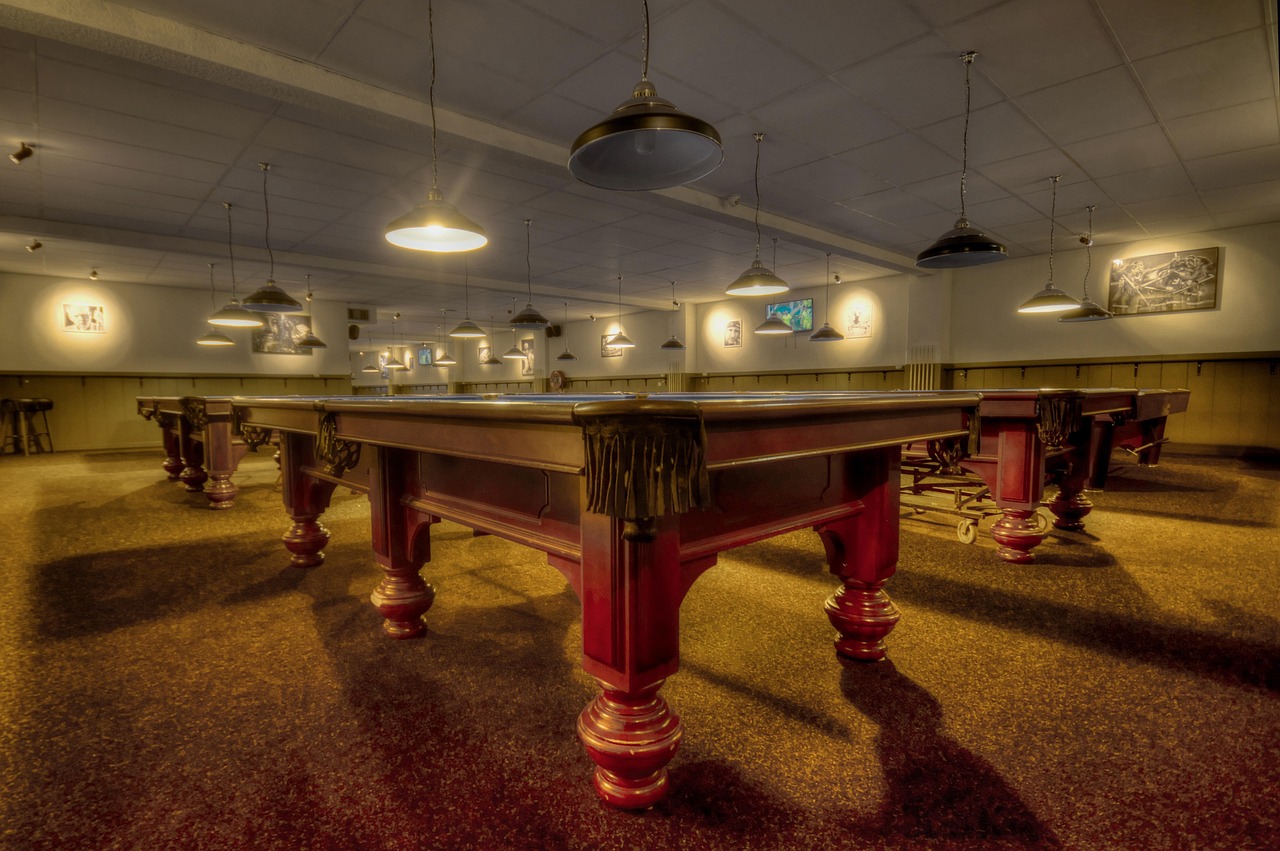
The Rack & Roll in New Orleans has been operating since the 1940s. It’s one of the most atmospheric pool halls I’ve stepped into. It sits in a corner of the city that hasn’t been completely swallowed by tourism, so it has an authentic local feel. The walls are covered with vintage posters and photos of famous players who used to shoot here.
The tables are in good condition, though not pristine. The cloth gets replaced regularly enough, and the rails have a consistent bounce. Cost per hour is higher than some historic halls â around $12-$15. That’s New Orleans pricing. Still cheaper than a single drink on Bourbon Street.
What to expect as a visitor:
- Weekends get busy. Call ahead to reserve a table if you can.
- Don’t expect tournament-level cloth. The felt shows its age, but the play is still solid.
- The neighborhood is safe during the day. Take a ride share at night. Parking is limited.
- There are several good guest houses and boutique hotels within a 10-minute walk if you’re staying nearby.
New Orleans humidity can affect your cue. Bringing your own maintenance kit helps. A good microfiber cloth and a small bottle of cue tip conditioner keep your equipment in shape. If you are dealing with humid conditions, a cue tip conditioner is worth considering. Not a necessity, but if you’re shooting multiple racks in the heat, it helps.
St. Louis: The Cue & Cushion â Where Legends Played
The Cue & Cushion in St. Louis feels like stepping into a black-and-white photograph. Willie Mosconi and Minnesota Fats both played exhibition matches here, and you can still feel that legacy when you walk in. The tables are well-maintained. The staff actually knows the history, which is refreshing.
This is more of an active playing hall than a museum. Yes, there are vintage cues on the wall and photos of the legends, but most of the space is for games. You can rent a table by the hour for around $8-$10. The cloth is standard Valley or similar â not museum-quality, but perfectly playable.
Comparison to more touristy spots:
- It doesn’t have the polished “historic” feel of Chris’s. The building isn’t as old, and there’s less original woodwork.
- What it has is authenticity. You’re playing where the legends played. The regulars don’t care about your camera. They’re there to shoot.
- If you want a pure playing experience with a strong historical connection, this is it. If you want ornate architecture, go to Chris’s.
Historic Pool Halls Compared: Chicago vs. New Orleans vs. St. Louis
| Feature | Chris’s Billiards (Chicago) | The Rack & Roll (NOLA) | The Cue & Cushion (St. Louis) |
|---|---|---|---|
| Year opened | 1912 | 1940s | 1950s |
| Atmosphere | Original, gritty, authentic | Vintage, lively, local | Active playing hall, historic |
| Table condition | Good, varies by table | Good, not pristine | Good, tournament cloth |
| Cost per hour | Under $10 | $12-$15 | $8-$10 |
| Crowd | Regulars, enthusiasts | Locals, some tourists | Regulars, serious players |
| Accessibility | Cash only, neighborhood | Reservations help | Easy, less touristy |
If you have to pick one for pure history, choose Chris’s. For a lively local scene, go to The Rack & Roll. To shoot where the legends did, head to The Cue & Cushion.
New York City: The Society Billiards â A Quick Stop for History Buffs
The Society Billiards in NYC is different. It’s a private club. You can’t just walk in and start playing. It’s historically significant â one of the oldest remaining billiard rooms in the city, with ornate tables and a members-only policy. For the average traveler, it’s more of a curiosity than a destination.
What you can see:
- You can look through the front window and glimpse the interior. The woodwork is stunning, and the tables are clearly original.
- If you’re a serious collector or historian, you might find a way to arrange a visit. Otherwise, don’t count on access.
Alternatives in NYC:
- Amsterdam Billiards: Not historic in the same way, but a solid playing hall with good atmosphere. Open to the public.
- City Billiards: Another public option with decent tables and a more modern vibe.
- If you’re passing through Manhattan, it’s worth a five-minute walk by The Society Billiards just to see the building. Don’t plan your trip around shooting there.
Common Mistakes Travelers Make When Visiting Historic Pool Halls
I’ve seen these mistakes at every historic hall I’ve visited. Avoid them and your trip goes smoother.
- Not checking hours: Many have limited hours or close early. Some only open in the evenings. Call ahead. I’ve shown up to locked doors at a place that supposedly opened at 2 PM.
- Assuming all tables are restored: Historic doesn’t mean every table plays like a diamond. Some have original cloth that’s slower than modern tournament tables.
- Underestimating neighborhood safety: A hall in a good area in 1950 might be in a rougher spot now. Check recent reviews and street views. Park in well-lit lots.
- Not bringing your own cue: Most house cues are warped and worn. If you care about your game, bring your own. A two-piece cue in a travel case helps a lot.
- Expecting tournament-level cloth: Some halls have new cloth, but many don’t. The cloth might be slow or the rails spongey. Adjust your game and focus on the atmosphere.

Gear Worth Packing for Your Historic Pool Hall Tour
If you’re visiting multiple halls over a few days, the right gear makes a difference. Here’s what I carry:
- Portable cue case: A compact two-piece case that fits a standard cue. Keep it in your car or carry-on. Frequent users may benefit from a two piece pool cue case for secure protection. Don’t trust house cues unless you have to.
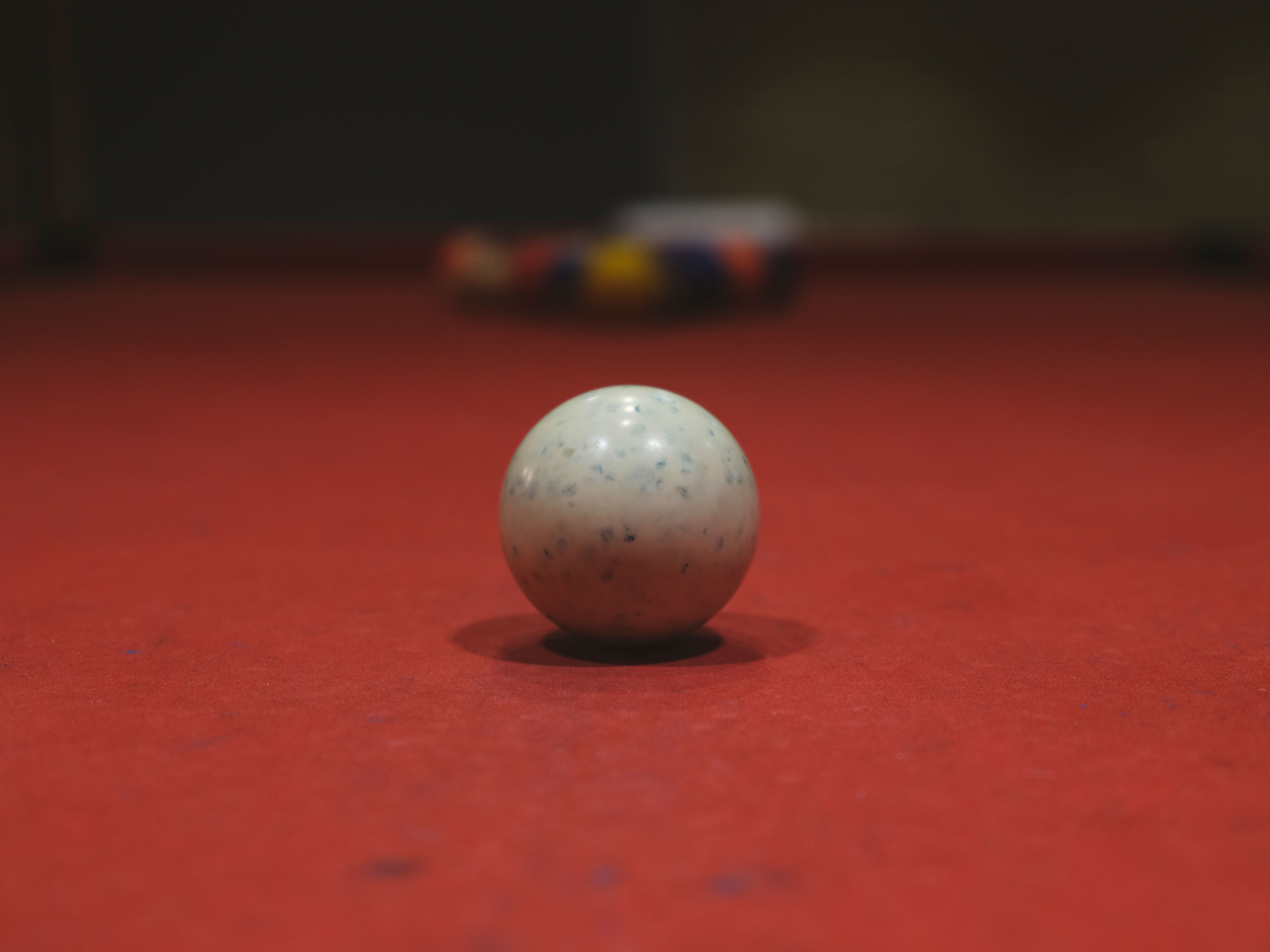
- Quality cue ball: Some halls have worn or mismatched cue balls. If you have a specific one you like, bring it (with permission). Small detail, but it improves consistency.
- Chalk: House chalk can be sticky or uneven. Bring your own cube. Cheap and solves a real problem.
- Mini level: A small pocket level for checking table tilt. If you’re serious, knowing which side plays slightly uphill can save you a rack.
- Microfiber cloth: Sweat, humidity, and chalk dust are constant. Quick wipe-down of your cue and hands keeps things smooth.
Honorable Mentions: Other Historic Halls Worth a Stop
These aren’t the headliners, but they’re worth a detour if you’re nearby.
- The Rack (Detroit): Classic urban pool hall with a strong local following. Tables are older but playable. Raw and authentic atmosphere.
- Cue Club (San Francisco): Hidden gem with a relaxed vibe. Not as old as others, but loyal crowd and good table selection.
- The Billiard Room (Philadelphia): Small, unassuming spot with a lot of history. Been around for decades with a few original tables. More local hangout than tourist attraction.
- Pool Hall (Memphis): Classic Southern hall with a casual feel. Good for a quick game if you’re in town for barbecue and blues.
- Golden Cue (Boston area): Well-maintained with a mix of new and old tables. Not the most historic, but a solid playing experience.
What to Look For in a Historic Pool Hall Experience
Not every historic hall is a good experience. Here’s how to tell if it’s worth your time:
- Table condition: Look for level tables, consistent cushion bounce, and clean cloth. Ask when the cloth was last changed.
- Atmosphere: Welcoming or hostile? Historic halls often have regulars who’ve been coming for decades. A respectful attitude goes a long way.
- Staff knowledge: Good staff can tell you about the history, recommend the best tables, and help out.
- Cost per hour: If they’re charging $20 for a worn-out table with slow cloth, it’s not worth it.
- Availability of lessons or events: Some host tournaments or have resident instructors. Adds value if you’re looking to improve.
Set realistic expectations. You’re visiting a place that’s been around for decades. There might be some wear and tear. That’s part of the appeal.
FAQs About Visiting Historic Pool Halls
Can I bring my own cue?
Generally yes, but check with the staff. Some halls prefer you use house cues. Most are accommodating if you’re respectful.
Are reservations needed?
For popular halls like Chris’s or The Rack & Roll, call ahead on weekends. For smaller ones, you can usually walk in, but it never hurts to call.
Is there a dress code?
Not at the classic halls. Jeans, t-shirt, comfortable shoes are fine. Some newer halls might have policies, but most historic places are casual.
How much does it cost?
Typically $8 to $15 per hour for a table. Some have per-game or tournament fees. Check before you start playing to avoid surprises.
Final Tips for Making the Most of Your Visit
Before you head out, here are three things I’d tell anyone planning a historic pool hall tour:
- Call ahead. Hours change. Maintenance happens. A quick phone call has saved me more than one wasted trip.
- Be respectful of local regulars. These people have played here for years. Don’t be loud or disruptive. If you’re new, ask politely about house rules. Most regulars are happy to help if you’re not arrogant.
- Don’t expect pristine tournament conditions. You’re here for the history, the atmosphere, and the experience. If you want perfect cloth and level rails, go to a modern pool hall. Enjoy the quirks and the stories you’ll tell after.
If you’re just starting out or need a dependable cue for your trip, a beginner-level cue from a reputable brand is a solid investment. Beginners may want to consider a beginner pool cue that offers reliable play. A good cue won’t make you a champion overnight, but it gives you consistency that house cues can’t match. After that, all you have to do is rack ’em up and enjoy the game.