Introduction
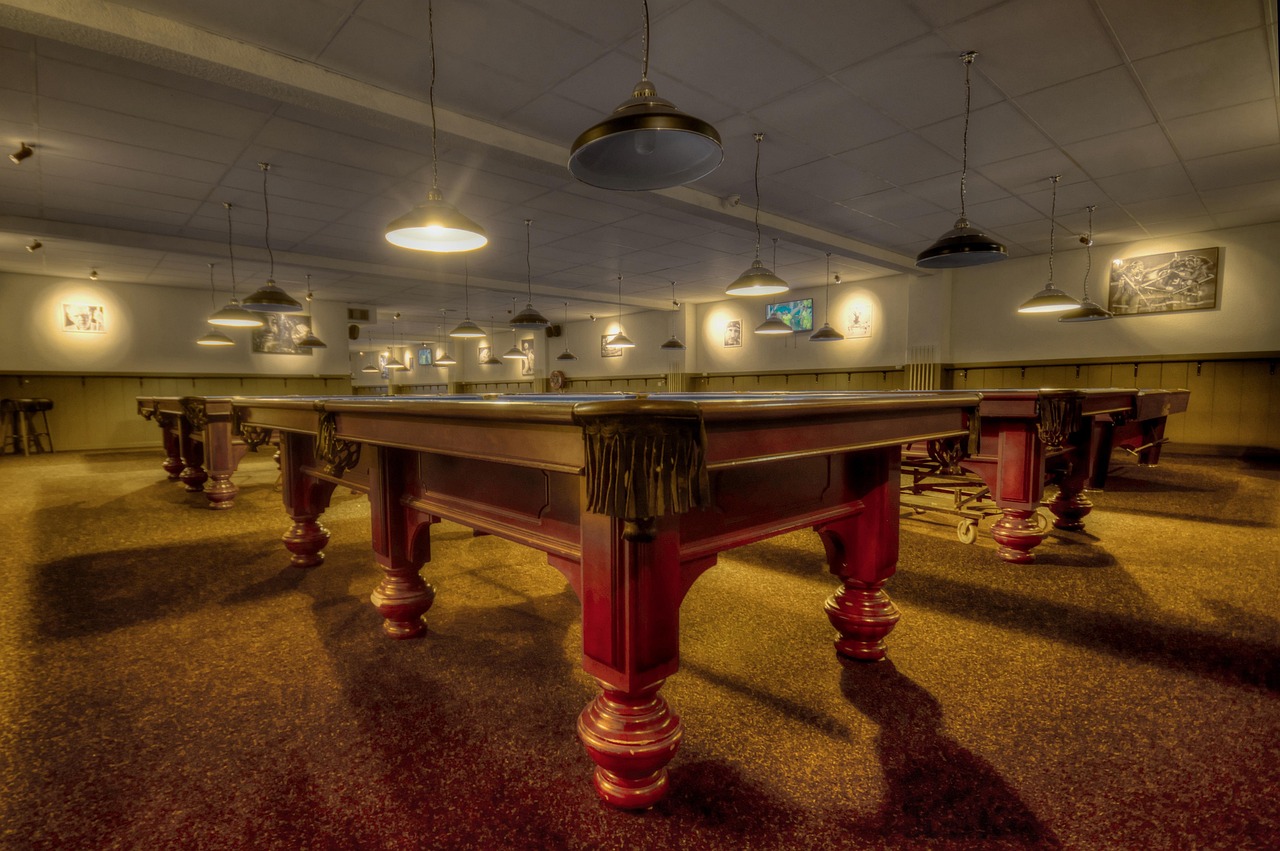
Walking into a pool hall blind is a gamble. You might find pristine tables, solid house cues, and a respectful crowd. Or you might find ripped cloth, warped sticks, and an atmosphere that makes you want to leave before you break. Knowing what makes a good pool hall before you commit saves you time, money, and a frustrating evening. This guide covers exactly what to look for from the sidewalk or the doorway. Whether you’re a recreational player looking for a fun night out or a league regular seeking serious practice tables, these checks will help you spot a quality hall in seconds. I’ve spent enough time in these places to know that surface appearances often hide the truth. Let’s strip that away.

Look for Clean, Level Tables
The table is the heart of any pool hall. If the tables are neglected, nothing else matters. Start with a simple ball roll test. Place a cue ball near the center and let it roll slowly toward a rail. A level table will let the ball drift gently without pulling sharply to one side. If the ball rolls off on its own, that table is not level, and your shots will be inconsistent all night. Check the cloth for fraying at the edges, tears near the pockets, or visible burn marks from repeated breaks. New or well-maintained cloth should feel smooth and slightly napped, allowing consistent ball travel. Look for signs of slate cracks, which appear as visible lines through the cloth when felted. A cracked slate creates dead spots where balls won’t roll true. Also inspect the pocket leathers. Worn or torn pocket linings cause balls to rattle out even on good shots.
- Ball roll test: Slowly roll a cue ball across the center of the table. A level table won’t veer sharply.
- Cloth check: Run your hand over the surface. Fraying, burns, or tears signal neglect.
- Slate inspection: Look for visible cracks through the cloth or listen for hollow sounds when tapping.
- Pocket condition: Check for frayed, loose, or missing leather in the drop zones.
If you spot two or more of these problems, the hall likely doesn’t prioritize playability. Move on.
Check the Table Size and Spacing
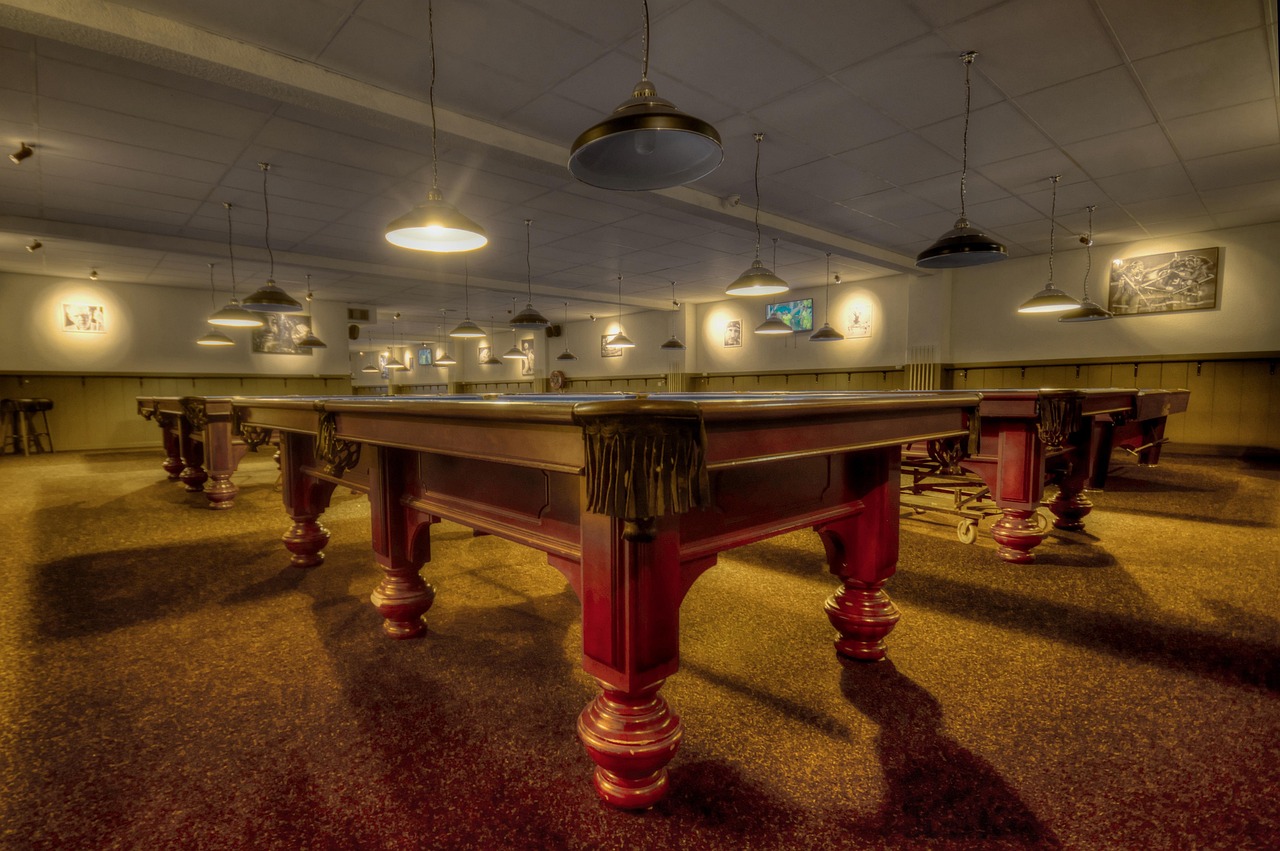
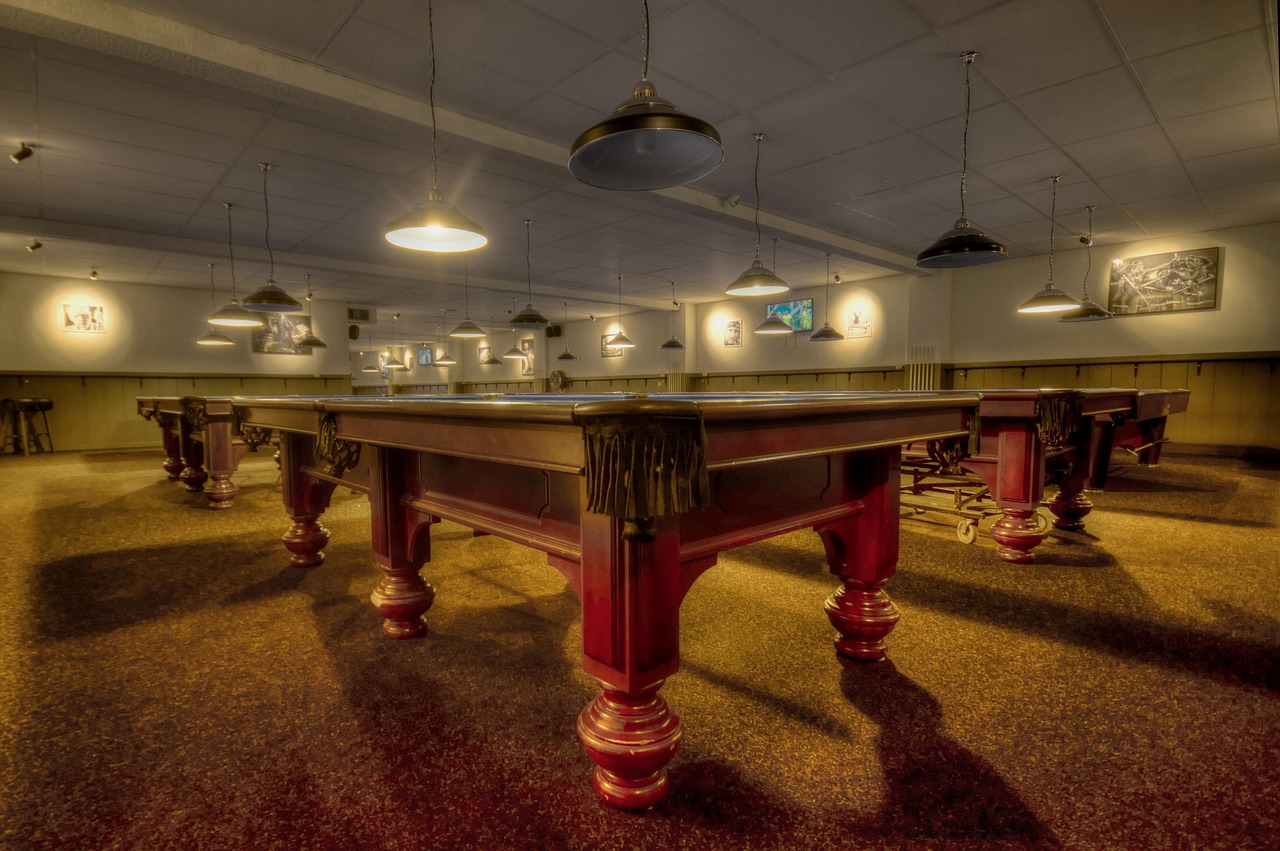
Table size tells you a lot about the hall’s focus. A room full of 7-foot bar boxes suggests a social, drinking crowd where quick games and loud music dominate. Eight-foot tables offer a balance between casual and serious play. Nine-foot tables indicate tournament or league-level play, where precision and longer shots matter. For a recreational player, any size works, but if you’re practicing for league, you want 8-foot or 9-foot tables to simulate competitive conditions. Spacing between tables matters just as much. If the cue butts into a wall or another player on every backstroke, you’re in a cramped space. Good halls leave at least five feet of clearance around each table. Cue jams happen when tables are too close, and they ruin the flow of a game. If you can’t comfortably swing a cue, the hall prioritizes capacity over player experience. That’s a red flag.

Examine the Cue Rack and House Cues
The cue rack is often the most overlooked indicator of a hall’s quality. Grab a few house cues and check them one by one. Roll each cue on the table to see if it’s warped. A straight shaft should roll evenly without wobbling. Look at the tip condition. Mushroomed tips or those with chunks missing will miscue on anything but center ball hits. Check the ferrule for cracks, which cause annoying vibrations on contact. Also note the weight consistency. A quality hall will have house cues that all weigh roughly the same, usually around 19 ounces, with a few lighter or heavier options. If the rack is full of mismatched, damaged sticks held together with tape, the owner invests nothing in maintenance. On the other hand, a rack with evenly weighted cues, clean shafts, and intact tips tells you the hall respects the game. Some halls also allow you to bring your own cue, which is a good sign they expect serious players.
Travelers who want to test house cues quickly may find it helpful to carry a small cue tip tool to shape or clean tips before playing.
Listen for the Right Noise Level
Sound reveals more than you think. Walk in and just listen for a moment. The ideal pool hall has a steady background hum of conversation, balls clicking, and maybe some music at a reasonable volume. The music should not overpower the sound of the game. If you have to shout to be heard, the music is too loud for serious play. Listen to the pockets. A quality drop pocket makes a solid, satisfying chunk sound when a ball falls through. Hollow rattles or metallic clanging suggest cheap, worn pockets that will let balls bounce out. Pay attention to whether the crowd is focused on the tables or just socializing. A room full of people yelling over drinks while balls scatter randomly is a different experience from one where players concentrate on their shots. If you’re there to play, you want the latter. If you just want a social night out, the former might work, but that’s not a pool hallâthat’s a bar with tables.
Observe the Lighting Setup
Good lighting is essential for accuracy. Walk over to a table and look at the shadows. The best setups use low-hanging, wide canopy lights that cast even illumination across the entire table surface. There should be no dark spots, no harsh glare, and no shadows from your body or cue. Flickering fluorescent tubes or bare bulbs create inconsistent light that causes eye strain over time. If the lights are too high, you’ll lose definition on the balls, making it harder to judge angles and speed. Some halls use dimmer switches to create a moody atmosphere, but that works against playability. For serious players, bright, even light is non-negotiable. If the hall’s lighting makes the table look like a crime scene or a nightclub, you’re probably at a place that prioritizes ambiance over accuracy. That’s fine for a date night but not for improving your game.
For those who play at home or want to improve their visibility, a dedicated pool table light fixture can make a noticeable difference in ball contrast and shadow reduction.
Watch a Game or Two Before Committing
Before you grab a cue, set down your bag, and pull up a chair. Watch a few racks at a table that’s in play. Look at how the players interact with each other and the table. Are they following basic etiquette? Calling shots? Waiting for the shot to finish before moving? A good hall fosters respect for the game. Look for players who chalk properly, don’t slam the balls, and don’t needlessly distract opponents. Also check the pace of play. A hall with serious regulars will have games that move at a steady, focused rhythm. If everyone is playing fast and loose, laughing loudly, and spending more time at the bar than at the table, it’s a social hall. Nothing wrong with that, but it’s not where you go for quality practice. Watch for how players handle close calls. Arguments or shouting indicate poor sportsmanship and a potentially hostile environment. You want a hall where people settle disagreements with a friendly re-rack, not a raised voice.
Key Atmosphere Red Flags
Some problems are deal-breakers regardless of table quality. Excessive smoke or stale odor makes the air unpleasant and can linger on your clothes for hours. If the restroom is unclean, the main area likely isn’t cleaned regularly either. Broken furniture, ripped vinyl on bar stools, or sticky floors suggest the owner doesn’t care about the overall experience. Hostile staff are a major red flag. If the counter person seems annoyed you walked in, or if they ignore you while chatting with regulars, expect poor service throughout your visit. Also watch for overly aggressive patrons. A hall where people hover over other tables, stare down players, or make loud remarks about shots is not welcoming. If you feel uncomfortable just standing there, you will not have a good time playing. Trust your gut on this one.
Pricing and Table Rates: Fair or Fleecing?
Pricing models vary widely. Some halls charge per hour, some per game, and others require a membership or cover charge. Per-hour rates are typically fairer for serious players because you can control how long you stay. Per-game rates can add up fast if you’re playing long, tactical racks. A good price for a quality 8-foot table in most areas is around $8 to $12 per hour. Higher-end halls in major cities might hit $15 to $20. If a hall charges $20 an hour for a worn-out bar box with bad cloth, you’re being overcharged. Watch for hidden fees. Some places charge extra for cue rental, even if the house cues are poor. Others add chalk fees, which is ridiculous. Always ask the pricing before you commit. Compare the table rate with the condition of the tables. If the tables are well-maintained, the price is usually justified. If they’re beat up, any price above $5 per hour is too much. Value halls offer fair rates, good tables, and decent atmosphere without upcharging for basics.
What the Regulars Tell You About the Hall
Regulars are the ultimate authority on a hall’s quality. Don’t be shy about asking a few questions. Strike up a conversation at the bar or near the rack. Ask when league nights are, how often the tables are recovered, and whether the hall runs tournaments. A hall with a busy league schedule and frequent tournaments is almost always a serious place for pool. Regulars will know the staff, the maintenance routines, and the unwritten rules. If they complain about the tables or the management, take that seriously. If they praise the owner or the house cues, that’s a strong endorsement. A hall that has very few regulars, no league activity, and no events is either new or not worth visiting. Also ask about table time during peak hours. If regulars say they have to wait 20 minutes for a table on Friday night, that suggests popularity, which usually correlates with quality. An empty hall on a weekend night is often a bad sign.

Best Time to Visit for an Honest First Impression
Timing your visit matters. The best time to evaluate a pool hall is during an off-peak hour, like a Tuesday or Wednesday afternoon around 2 PM. At that time, the hall is quiet, the staff is less rushed, and you can inspect the tables without crowds. You’ll see the true maintenance state because no one has had time to clean up for a busy night. Avoid Saturday night for your first visit. Busy nights hide problems. Dirty tables, sticky floors, and broken equipment are easier to overlook when the place is packed and loud. You might leave with a false impression. If you can only visit on a weekend, go early, around opening time. That gives you a look at the hall before it gets busy. You’ll see whether tables have been brushed and leveled, whether chalk dust has been wiped off the rails, and whether the restroom is clean. A clean, well-stocked hall at opening time signals consistent maintenance habits.
For those who like to keep their playing area tidy, a pool table brush set is a practical item to have on hand for personal table care at home.
Common Mistake: Judging by Reviews Alone
Online reviews are useful, but they don’t tell the full story about playing conditions. Party crowds who come for a night out with friends often give five stars because they had fun, regardless of table quality. Frustrated customers who lost bar tabs or got in arguments give one-star reviews that have nothing to do with the pool tables. Reviews rarely describe the condition of the felt, the levelness of the tables, or the straightness of the house cues. They focus on service, atmosphere, and price. Use reviews to gauge general vibes and to check for major red flags like safety issues or rude staff. But never let a high rating convince you the tables are good. The only way to know what makes a good pool hall is to stand inside it and run your own tests. A four-and-a-half star review with 500 ratings means the place is popular, not that the tables are playable.
Final Checklist Before You Walk In
Before you commit to a table, run through this quick mental checklist:
- Are the tables level? (Ball roll test)
- Is the cloth clean and smooth?
- Are house cues straight with intact tips?
- Is lighting even and shadow-free?
- Is the atmosphere focused on the game?
- Are prices fair for the table condition?
- Do regulars and staff seem knowledgeable?
- Is the restroom and common area clean?
- Does the hall host leagues or tournaments?
If you can answer yes to at least six of these, you’ve found a quality place to play.
Your Next Move: Find the Right Table for You
Now that you know exactly what to look for, put these tips to use. The next time you’re considering a new pool hall, take five minutes to evaluate it before you even grab a cue. It takes effort upfront but saves you from wasting money and time on subpar tables. Finding a quality hall is the first step to actually improving your game. Use what you’ve learned here, and you’ll never walk into a disappointing pool hall again.