Introduction
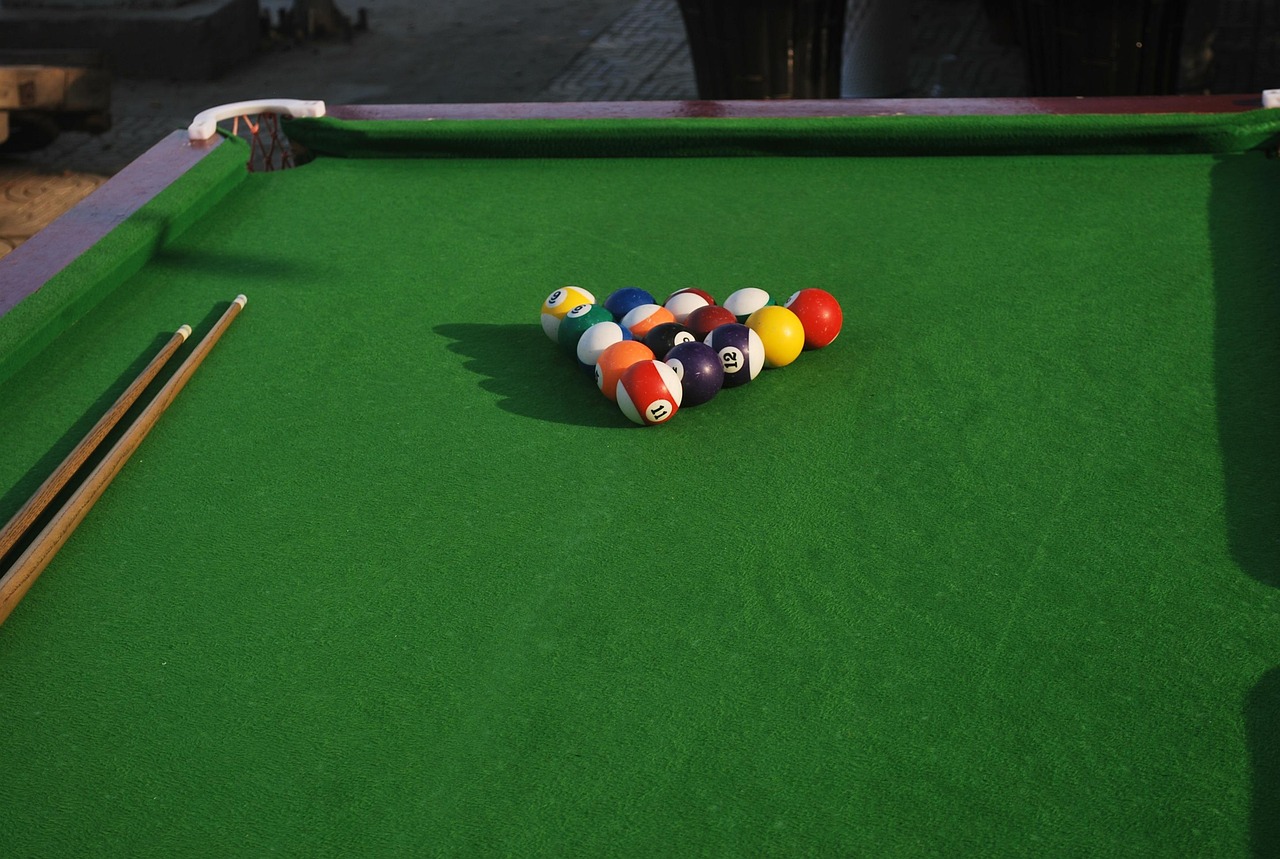
If youâve been using a house cue or your regular playing cue for breaks, youâre probably not getting the power you could. A dedicated break cue changes how you approach the rack. The best break cues are built with stiffer shafts, harder tips, and more weight forward â all aimed at transferring maximum energy into the cue ball on that first shot. Itâs not about flashy looks or brand names. Itâs about getting a consistent, powerful break that spreads the balls and gives you some control right from the start.
In this guide, Iâll walk through the top models for 2025, explain the technical features that actually matter for power, and help you avoid common mistakes. Whether youâre a league player looking to upgrade or someone who just wants a reliable break cue without overpaying, this should give you a clear path forward.

Why a Dedicated Break Cue Matters for Power
The biggest mistake newer players make is thinking a playing cue works fine for breaking. It doesnât â not if you want consistent power.
Playing cues are designed for control and finesse. They have flexible shafts, softer tips, and balanced weight distribution that helps with spin and accuracy on normal shots. When you slam that same cue into the rack at full force, youâre asking for trouble. The softer tip mushrooms faster, the shaft can warp under repeated stress, and you risk damaging the ferrule or joint. Iâve seen plenty of good playing cues get cracked or delaminated from hard breaks. Itâs not worth the gamble.
A dedicated break cue solves all that. It uses a stiffer shaft â often with a thicker diameter or a low-deflection design â that doesnât flex as much on impact. The tip is harder, usually phenolic or a very hard leather, so it doesnât compress and transfers energy directly into the cue ball. The weight is heavier, typically 19 to 21 ounces, with the balance point shifted forward. That forward balance lets you put more of the cueâs mass behind the ball without swinging harder.
The result is a break that feels solid, sounds sharp, and spreads the rack wider. Youâre not fighting the cueâs flex or worrying about damaging your playing stick. You just get clean, repeatable power. For anyone serious about improving their break game, a dedicated cue is a smart investment. If youâre still using your playing cue, switching to a purpose-built option like a pool break cue can make a noticeable difference.
Key Features That Affect Breaking Power
Not all break cues are the same. The difference between a good break and a great one often comes down to a few specific features.
Weight. Standard playing cues are usually around 18 to 19 ounces. Break cues run heavier â 19 to 21 ounces is the sweet spot. More mass means more momentum behind the cue ball, which translates to more power. But going too heavy can slow your swing speed if youâre not strong enough to handle it. Weâll cover that tradeoff in the next section.
Tip hardness. This is probably the most important feature for power. Phenolic tips are rock hard. They donât compress on impact, so almost all the energy goes into the cue ball. Leather tips, even hard ones, absorb some of that energy. Phenolic tips also produce a loud, sharp sound that many players associate with a good break. The downside is less control on cut breaks and more wear on the cue ball over time. More on that later.
Shaft diameter and taper. A thicker shaft (13 mm or more) reduces flex and gives a stiffer feel. Some break cues use a pro taper for a consistent feel through the stroke, while others have a conical taper that stiffens the shaft. For pure power, a thicker, stiffer shaft wins. For players who also want to use the cue for jump shots, a slightly narrower shaft can help with ball clearance.
Balance point. Forward-balanced cues feel heavier in the tip. Thatâs by design â it helps you generate more energy without swinging faster. The tradeoff is that the cue can feel clumsy for other shots. Most dedicated break cues are balanced about an inch or two in front of the natural balance point of a playing cue.
If you prioritize power above everything else, focus on weight, tip hardness, and shaft stiffness. If you want a cue that also works for jump shots or occasional play, youâll make some tradeoffs on tip material or balance.
Weight and Balance: Finding the Sweet Spot
Thereâs a common belief that heavier is always better for breaking. Itâs not that simple. Weight matters, but how that weight is distributed changes everything.
A 21-ounce cue thatâs balanced evenly front to back will feel different from a 19-ounce cue with a forward balance point. The forward-weighted cue puts more of its mass behind the tip, which means you donât have to swing as hard to get the same energy transfer. Thatâs why many experienced players prefer a 19-ounce break cue with a forward balance over a 21-ounce cue thatâs evenly balanced.
The right weight also depends on your physical strength and swing speed. If youâre a smaller player or have a slower stroke, a heavier cue might slow you down too much. Youâll actually lose power because you canât accelerate the cue effectively. If youâre strong and have a fast swing, a heavier cue adds momentum without sacrificing speed.
A good rule of thumb: start around 19 ounces with a forward balance. Test it by doing standing breaks â if the cue feels like itâs doing the work for you, youâre in the right range. If it feels sluggish or hard to control, drop down to 19 ounces with a more neutral balance, or even try 18.5. If you want more punch and can handle the weight, go up to 20 or 21 ounces. Those looking to experiment with weight options might check out adjustable weight break cues that allow fine-tuning.
Also pay attention to how the cue feels during your backswing. If itâs too tip-heavy, you might struggle with accuracy. If it feels balanced, youâll be able to hit the same spot on the rack every time. Consistency beats raw power nine times out of ten.


Best Break Cues Overall: Top Picks for 2025
These are the break cues that consistently deliver the best combination of power, build quality, and feel. Prices are approximate and can vary by retailer.
Predator BK Rush
This is the gold standard for serious players. The BK Rush uses Predatorâs REVO carbon fiber shaft, which is extremely stiff and low-deflection. The phenolic tip is standard, and the cue is available in weights from 19 to 21 ounces. The carbon fiber shaft doesnât flex at all on hard breaks, which means all your energy goes into the cue ball. Itâs expensive â expect to pay $600 to $800 â but if you want maximum power with accuracy, this is the cue to beat. Best for competitive league or tournament players who break hard and want consistency.
McDermott Stinger
McDermottâs Stinger line is a solid mid-range option. It uses a hard maple shaft with a 13mm diameter and a phenolic tip. The cue has a forward balance that adds noticeable power. Itâs durable and well-constructed, and it comes with a lifetime warranty on the shaft. Price is around $200 to $350 depending on the model. The Stinger doesnât have the low-deflection technology of the BK Rush, but for most players, it delivers more than enough power. Best for intermediate players who want a reliable break cue without breaking the bank.
Mezz Power Break Kai
Mezz is known for precision craftsmanship. The Power Break Kai uses a hard maple shaft with a 13mm diameter and a phenolic tip. What sets it apart is the balance â itâs designed to be slightly tip-heavy for maximum energy transfer. The joint is reinforced to handle repeated hard breaks. It feels solid and responsive. Prices range from $400 to $550. Best for players who want a premium feel and are willing to invest in a cue that will last a decade.
Players Break Cue
Players offers an entry-level break cue that punches above its price. The shaft is 13mm hard maple, the tip is phenolic, and the weight is adjustable from 19 to 21 ounces using included weight bolts. Itâs simple, durable, and costs around $60 to $100. It wonât have the refinement of a high-end cue, but for the price, it delivers solid power. Best for beginners or anyone on a budget who still wants a dedicated break cue.
Best Budget Break Cues Under $100
Not everyone needs a $700 break cue. If youâre on a budget, there are still good options that give you most of the power benefits without the premium price tag.
Players Break Cue
This is the best value under $100. The hard maple shaft, phenolic tip, and adjustable weight system make it a legit break cue, not just a cheap stick. Itâs slightly less stiff than higher-end models, but for most players, the power difference is marginal. Expect to pay around $60 to $80. Itâs a no-brainer for beginners or casual league players.
Valhalla Break Cue by Viking
Valhalla is Vikingâs budget line, and their break cue is solid. It uses a hard maple shaft with a 13mm diameter and a leather tip. Itâs not phenolic, so you lose some power transfer, but the leather tip offers a bit more control on cut breaks. The cue is 19 ounces with a forward balance. Price is around $70 to $90. Best for players who want a break cue that also feels decent for occasional play or jump shots.
Action Break Cue
Action cues are basic but functional. Their break cue has a 13mm hard maple shaft, a phenolic tip, and a simple wrap handle. Weight is fixed at 19 ounces. Itâs not fancy, but it works. Price is around $50 to $70. Best for the strictest budgets or as a backup break cue.
Phenolic Tips vs Leather Tips for Breaking
This is one of the more debated topics among pool players. Hereâs the practical breakdown.
Phenolic tips are the standard for dedicated break cues. Theyâre extremely hard, donât compress, and transfer almost all the energy from your stroke into the cue ball. That means more power and a louder, satisfying crack sound. The downsides? Less control on cut breaks â the ball comes off the tip faster and with less spin. Phenolic tips also wear the cue ball more over time, and theyâre harder on the rack. If you play on bar boxes with older balls, you might notice more cue ball movement. Maintenance is simple: just keep them clean and smooth any glazing with a fine file.
Hard leather tips are a compromise. They offer decent power transfer but absorb some energy, so your break wonât be as explosive. However, they give you much more control. You can apply spin, control the cue ball better on cut breaks, and the ball reacts more predictably. Leather tips also wear down and need to be reshaped regularly. For players who want one cue that does double duty for breaking and occasional play, a hard leather tip is the better choice.
My recommendation: If you break straight on and want maximum power, go phenolic. If you do cut breaks or want more control, pick a high-quality hard leather tip like a Milk Dud or a Super Pro. For most players, phenolic is the easier choice for pure power. Players needing replacement tips can look for phenolic pool cue tips to upgrade an existing cue.
Break Cue Shafts: Low Deflection vs Standard
Shaft technology has come a long way. Low-deflection (LD) shafts like Predatorâs REVO or 314 are designed to reduce the cue ballâs sideways movement when you apply English. But how does that affect breaking?
On a pure power break where you hit dead center, deflection doesnât matter much. The cue ball goes straight, and the shaftâs design is irrelevant for power transfer. However, if you do cut breaks or apply any spin on the break, an LD shaft helps you stay accurate. You can hit the same spot on the rack with more consistency because the ball doesnât squirt off line as much.
Standard maple shafts are thicker and stiffer, which some players prefer for the solid feel they provide. Theyâre also cheaper. For most players, a standard maple shaft is perfectly fine for breaking. The power difference between an LD shaft and a standard one is negligible if both are stiff and have phenolic tips.
The real decision comes down to feel and budget. If you already use an LD shaft on your playing cue and like the feel, consider an LD break shaft like the REVO. If youâre on a budget or prefer a traditional feel, a good hard maple shaft will serve you well.

Common Mistakes When Choosing a Break Cue
Iâve seen players make these mistakes over and over. Avoid them and youâll save money and frustration.
Buying based on looks. A flashy wrap or a custom paint job doesnât make a cue break harder. Focus on weight, tip, and shaft construction. Everything else is secondary.
Ignoring balance. A cue that feels wrong in your hand will never give you consistent power. Always test the balance before buying, or at least check the specs. If a cue is listed as âforward balanced,â thatâs a good sign for breaking.
Choosing too heavy a cue. Iâve seen players jump to 21 or 22 ounces thinking itâll make them break like a pro. Then they canât swing it fast enough, and their break is actually weaker. Start with 19 ounces and adjust up if needed.
Using the wrong tip. A soft leather tip on a break cue defeats the purpose. Youâll compress on impact and lose power. If you want maximum power, get a phenolic tip. If you want control, get a hard leather tip. Donât compromise with a medium tip.
Not testing before buying. A break cue can look perfect on paper but feel dead in your hands. If possible, hit a few racks with any cue youâre considering. Listen to the sound, feel the vibration, and see how the rack spreads.
How to Test a Break Cue Before You Buy
You can learn a lot about a break cue without ever hitting a ball. Hereâs what to check.
Resonance. Hold the cue loosely by the butt and tap the shaft with your knuckle near the tip. A high-pitched, sharp ring means the shaft is stiff and will transfer energy well. A dull thud means the shaft is softer or has internal dampening. For power, you want the sharp ring.
Balance. Balance the cue on your finger just in front of the wrap. A break cue should tip forward noticeably. If it balances like a playing cue, itâs not designed for power breaking.
Tip reaction. Press your thumb into the tip. A phenolic tip will feel rock hard. A leather tip will have a tiny bit of give. If you can compress it even slightly, itâs not a hard tip.
Hit a rack. This is the real test. Set up a full rack and break from the head string. Pay attention to how the cue feels on impact â it should be solid, not jarring. Check how the rack spreads. A good break cue will open the rack wider than your playing cue, even if youâre not swinging as hard.
If you donât have access to a store with a table, look for cues with demo programs. Many online retailers allow you to return a cue within 30 days if you donât like it. Thatâs a reasonable way to test without a physical shop.

Recommended Accessories for Your Break Cue
Once you have your break cue, a few accessories will help you maintain its performance and make your break more consistent.
Tip shaper. For leather tips, a pool cue tip shaper tool or similar tool keeps the tip shaped properly. For phenolic tips, a fine file or sandpaper (600 grit) is enough to smooth glazing. Donât use a coarse tool on phenolic â you donât want to reshape it, just clean it.
Break cue case. A case that separates your playing cue and break cue is worth the investment. Cues get banged around in a single-pocket case, and a damaged tip or ferrule affects performance. Look for a case with at least two sections.
Chalk. It sounds obvious, but hard break cues need good chalk to prevent miscues. Break cues with phenolic tips are especially prone to miscuing if the tip isnât chalked properly. Use a quality chalk like Masters or Kamui.
Glove. A glove keeps your stroke consistent and prevents moisture from affecting your grip. Itâs especially useful on longer sessions or in humid rooms. Your break will be more consistent when your hand isnât sticking.
Frequently Asked Questions About Break Cues
Can I use my break cue for regular shots?
Technically yes, but itâs not ideal. Break cues are stiffer, heavier, and have harder tips, which makes them less responsive for finesse shots. Youâll have less control over spin and speed. Most players keep a separate playing cue and only use the break cue for the opening shot.
How often should I replace the tip?
Leather tips on break cues wear down faster because of the repeated high-impact hits. Replace them every 3 to 6 months, depending on how often you play. Phenolic tips last much longer â sometimes years â but they can glaze over. Just sand them lightly to restore grip.
Whatâs the best length for a break cue?
Standard length is 58 inches, same as a playing cue. Some players prefer 60-inch break cues for extra leverage, but thatâs a personal preference. Unless youâre very tall or have a long stroke, stick with 58 inches.
Do I need a jump/break combo?
Jump/break combos are convenient because they save case space. But they often compromise on break performance â the tip is usually a hybrid thatâs not ideal for either jump or break. If you prioritize breaking power, get a dedicated break cue. If you need a jump cue too, consider a separate jump cue.
Can I use a phenolic tip on any break cue?
Most break cues come with a phenolic tip from the factory. If you want to swap a leather tip for phenolic, you can, but it changes the cueâs feel and sound. Itâs best to buy a cue thatâs already set up for the tip you want.
Final Thoughts: Choosing the Right Break Cue for Your Game
The best break cue isnât the most expensive one or the one with the flashiest specs. Itâs the one that feels right in your hands and gives you consistent, repeatable power. Start with weight and balance â those are the most important factors for your personal swing. Then look at tip material and shaft construction based on whether you prioritize pure power or control. Budget matters, but even the cheapest dedicated break cue is better than using your playing cue for breaks.
If youâre ready to upgrade, the Predator BK Rush is the top performer for serious players. For most people, the McDermott Stinger or a Players break cue will give you everything you need without overpaying. Take your time, test a few options if you can, and buy the cue that makes you want to break the rack.